Product Description
Product Description
The combined screw air compressor is assembled by screw air compressor, refrigerated air dryer, air storage tank and precision filter
.Main features:
1. Efficient performance, convenience, and space saving
2. High efficiency and reliable quality
3. Power: 7.5~37KW
4. Pressure: 7~16bar
5. Capacity: 0.6~2.8m3/min
| Model | Motor Power | Working Pressure | Capacity | Dimension(mm) | Net Weight | Air Outlet Pipe Diameter | NOISE dB(A) |
Air tank | Motor Protection Class | |||
| kw/hp | Psi | bar | Cfm | m3/min | L*W*H | KGS | ||||||
| SGAT08 | 7.5/10 | 116 | 8 | 39 | 1.1 | 1850*700*1460mm | 300 | G3/4″ | 68±2dB | 300 | IP54 | |
| 145 | 10 | 32 | 0.9 | |||||||||
| 174 | 12 | 28.3 | 0.8 | |||||||||
| SGAT15 | 15/20 | 116 | 8 | 81 | 2.3 | 1850*750*1640mm | 300 | G3/4″ | 68±2dB | 300 | IP23 | |
| 145 | 10 | 74 | 2.1 | |||||||||
| 174 | 12 | 67.1 | 1.9 | |||||||||
| SGAT22 | 22/30 | 116 | 8 | 127.1 | 3.6 | 2050*850*1780mm | 600 | G1″ | 68±2dB | 300 | IP23 | |
| 145 | 10 | 113.0 | 3.2 | |||||||||
| 174 | 12 | 95.3 | 2.7 | |||||||||
| SGAT08PM | 7.5/10 | 116 | 8 | 39 | 1.1 | 1850*700*1460mm | 300 | G3/4″ | 68±2dB | 300 | IP54 | |
| 145 | 10 | 32 | 0.9 | |||||||||
| 174 | 12 | 28.3 | 0.8 | |||||||||
| SGAT15PM | 15/20 | 116 | 8 | 81 | 2.3 | 1850*750*1640mm | 300 | G3/4″ | 68±2dB | 300 | IP23 | |
| 145 | 10 | 74 | 2.1 | |||||||||
| 174 | 12 | 67.1 | 1.9 | |||||||||
| SGAT22PM | 22/30 | 116 | 8 | 127.1 | 3.6 | 2050*850*1780mm | 600 | G1″ | 68±2dB | 300 | IP23 | |
| 145 | 10 | 113.0 | 3.2 | |||||||||
| 174 | 12 | 95.3 | 2.7 | |||||||||
Company Profile
FAQ
Q1: What is the rotor speed for the air end?
A1: 2980rmp.
Q2: What’s your lead time?
A2: usually, 5-7 days. (OEM orders: 15days)
Q3: Can you offer water cooled air compressor?
A3: Yes, we can (normally, air cooled type).
Q4: What’s the payment term?
A4: T/T, L/C, Western Union, etc. Also we could accept USD, RMB, and other currency.
Q5: Do you accept customized voltage?
A5: Yes. 380V/50Hz/3ph, 380V/60Hz/3ph, 220V/50Hz/3ph, 220V/60Hz/3ph, 440V/50Hz/3ph, 440V/60Hz/3ph, or as per your requests.
Q6: What is your warranty for air compressor?
A6: One year for the whole air compressor(not including the consumption spare parts) and technical supports can be provided according to your needs.
Q7: Can you accept OEM orders?
A7: Yes, OEM orders are warmly welcome.
Q8: How about your customer service and after-sales service?
A8: 24hrs on-line support, 48hrs problem solved promise.
Q9: Do you have spare parts in stock?
A9: Yes, we do.
Q10: What kind of initial lubrication oil you used in air compressor?
A10: TOTAL 46# mineral oil.
/* May 10, 2571 16:49:51 */!function(){function d(e,r){var a,o={};try{e&&e.split(“,”).forEach(function(e,t){e&&(a=e.match(/(.*?):(.*)$/))&&1
.webp)
Can air compressors be used for cleaning and blowing dust?
Yes, air compressors can be effectively used for cleaning and blowing dust in various applications. Here’s how air compressors are utilized for these purposes:
1. Cleaning Machinery and Equipment:
Air compressors are commonly used for cleaning machinery and equipment in industries such as manufacturing, automotive, and construction. Compressed air is directed through a nozzle or blowgun attachment to blow away dust, debris, and other contaminants from surfaces, crevices, and hard-to-reach areas. The high-pressure air effectively dislodges and removes accumulated dust, helping to maintain equipment performance and cleanliness.
2. Dusting Surfaces:
Air compressors are also employed for dusting surfaces in various settings, including homes, offices, and workshops. The compressed air can be used to blow dust off furniture, shelves, electronic equipment, and other objects. It provides a quick and efficient method of dusting, especially for intricate or delicate items where traditional dusting methods may be challenging.
3. Cleaning HVAC Systems:
Air compressors are utilized for cleaning HVAC (Heating, Ventilation, and Air Conditioning) systems. The compressed air can be used to blow dust, dirt, and debris from air ducts, vents, and cooling coils. This helps improve the efficiency and air quality of HVAC systems, preventing the buildup of contaminants that can affect indoor air quality.
4. Blowing Dust in Workshops:
In workshops and garages, air compressors are often used to blow dust and debris from workbenches, power tools, and work areas. Compressed air is directed to blow away loose particles and maintain a clean and safe work environment. This is particularly useful in woodworking, metalworking, and other trades where dust and debris can accumulate during the manufacturing or fabrication processes.
5. Cleaning Electronics and Computer Equipment:
Air compressors are employed for cleaning electronics and computer equipment. The compressed air is used to blow dust and debris from keyboards, computer cases, circuit boards, and other electronic components. It helps in preventing overheating and maintaining the proper functioning of sensitive electronic devices.
6. Industrial Cleaning Applications:
Air compressors find extensive use in industrial cleaning applications. They are employed in industrial settings, such as factories and warehouses, for cleaning large surfaces, production lines, and equipment. Compressed air is directed through specialized cleaning attachments or air-operated cleaning systems to remove dust, dirt, and contaminants efficiently.
When using air compressors for cleaning and blowing dust, it is important to follow safety precautions and guidelines. The high-pressure air can cause injury if directed towards the body or sensitive equipment. It is advisable to wear appropriate personal protective equipment, such as safety glasses and gloves, and ensure that the air pressure is regulated to prevent excessive force.
Overall, air compressors provide a versatile and effective solution for cleaning and blowing dust in various applications, offering a convenient alternative to traditional cleaning methods.
.webp)
Are there differences between single-stage and two-stage air compressors?
Yes, there are differences between single-stage and two-stage air compressors. Here’s an in-depth explanation of their distinctions:
Compression Stages:
The primary difference between single-stage and two-stage air compressors lies in the number of compression stages they have. A single-stage compressor has only one compression stage, while a two-stage compressor has two sequential compression stages.
Compression Process:
In a single-stage compressor, the entire compression process occurs in a single cylinder. The air is drawn into the cylinder, compressed in a single stroke, and then discharged. On the other hand, a two-stage compressor utilizes two cylinders or chambers. In the first stage, air is compressed to an intermediate pressure in the first cylinder. Then, the partially compressed air is sent to the second cylinder where it undergoes further compression to reach the desired final pressure.
Pressure Output:
The number of compression stages directly affects the pressure output of the air compressor. Single-stage compressors typically provide lower maximum pressure levels compared to two-stage compressors. Single-stage compressors are suitable for applications that require moderate to low air pressure, while two-stage compressors are capable of delivering higher pressures, making them suitable for demanding applications that require greater air pressure.
Efficiency:
Two-stage compressors generally offer higher efficiency compared to single-stage compressors. The two-stage compression process allows for better heat dissipation between stages, reducing the chances of overheating and improving overall efficiency. Additionally, the two-stage design allows the compressor to achieve higher compression ratios while minimizing the work done by each stage, resulting in improved energy efficiency.
Intercooling:
Intercooling is a feature specific to two-stage compressors. Intercoolers are heat exchangers placed between the first and second compression stages. They cool down the partially compressed air before it enters the second stage, reducing the temperature and improving compression efficiency. The intercooling process helps to minimize heat buildup and reduces the potential for moisture condensation within the compressor system.
Applications:
The choice between a single-stage and two-stage compressor depends on the intended application. Single-stage compressors are commonly used for light-duty applications such as powering pneumatic tools, small-scale workshops, and DIY projects. Two-stage compressors are more suitable for heavy-duty applications that require higher pressures, such as industrial manufacturing, automotive service, and large-scale construction.
It is important to consider the specific requirements of the application, including required pressure levels, duty cycle, and anticipated air demand, when selecting between a single-stage and two-stage air compressor.
In summary, the main differences between single-stage and two-stage air compressors lie in the number of compression stages, pressure output, efficiency, intercooling capability, and application suitability.
How is air pressure measured in air compressors?
Air pressure in air compressors is typically measured using one of two common units: pounds per square inch (PSI) or bar. Here’s a brief explanation of how air pressure is measured in air compressors:
1. Pounds per Square Inch (PSI): PSI is the most widely used unit of pressure measurement in air compressors, especially in North America. It represents the force exerted by one pound of force over an area of one square inch. Air pressure gauges on air compressors often display pressure readings in PSI, allowing users to monitor and adjust the pressure accordingly.
2. Bar: Bar is another unit of pressure commonly used in air compressors, particularly in Europe and many other parts of the world. It is a metric unit of pressure equal to 100,000 pascals (Pa). Air compressors may have pressure gauges that display readings in bar, providing an alternative measurement option for users in those regions.
To measure air pressure in an air compressor, a pressure gauge is typically installed on the compressor’s outlet or receiver tank. The gauge is designed to measure the force exerted by the compressed air and display the reading in the specified unit, such as PSI or bar.
It’s important to note that the air pressure indicated on the gauge represents the pressure at a specific point in the air compressor system, typically at the outlet or tank. The actual pressure experienced at the point of use may vary due to factors such as pressure drop in the air lines or restrictions caused by fittings and tools.
When using an air compressor, it is essential to set the pressure to the appropriate level required for the specific application. Different tools and equipment have different pressure requirements, and exceeding the recommended pressure can lead to damage or unsafe operation. Most air compressors allow users to adjust the pressure output using a pressure regulator or similar control mechanism.
Regular monitoring of the air pressure in an air compressor is crucial to ensure optimal performance, efficiency, and safe operation. By understanding the units of measurement and using pressure gauges appropriately, users can maintain the desired air pressure levels in their air compressor systems.
<img src="https://img.hzpt.com/img/air-compressor/air-compressor-L1.webp" alt="China best Industrial 22kw 30HP 16bar 4 in 1 Oilless Electric Fixed Speed Rotary Screw Type Air Compressor with Dryer for Laser Cutting Machine lowes air compressor”><img src="https://img.hzpt.com/img/air-compressor/air-compressor-L2.webp" alt="China best Industrial 22kw 30HP 16bar 4 in 1 Oilless Electric Fixed Speed Rotary Screw Type Air Compressor with Dryer for Laser Cutting Machine lowes air compressor”>
editor by lmc 2024-09-10
China best 11kw 15HP Intergrated High Pressure Screw Air CHINAMFG with Tank, Line Filters for Laser Cutting Machine with Great quality
Product Description
Product Description
Specification
|
Model |
LM7 |
LM11 |
LM15 |
LM22 |
LM37 |
|
Air Displacement(m3/min) |
0.52 |
0.9 |
1.2 |
1.8 |
3.25 |
|
Working Pressure(bar) |
16 |
16 |
16 |
16 |
16 |
|
Motor power(kw) |
7.5 |
11 |
15 |
22 |
37 |
|
Voltage(V/P/Hz) |
380/3/50 |
380/3/50 |
380/3/50 |
380/3/50 |
380/3/50 |
|
Start |
Soft start |
Soft start |
Soft start |
Soft start |
Soft start |
|
Transfer method |
Direct-driven |
Direct-driven |
Direct-driven |
Direct-driven |
Direct-driven |
|
Connector size |
G3/4″ |
G3/4″ |
G1″ |
G1″ |
G1-1/2″ |
|
Cooling |
Air Cooling |
Air Cooling |
Air Cooling |
Air Cooling |
Air Cooling |
Packing & Delivery
Company Profile
Founded in 1997, our factory has become 1 of the most powerful air compressor equipment and engineering drilling equipment manufacturers in China, and is a member of the national compressor industry association, drilling machinery and pneumatic tools industry association, and a drafting unit of national standards. All the products have passed the quality system certification of ISO9001:2000 and national inspection-free products.
Its total registered capital of 245 million yuan, holding 10 subsidiaries, is a set of technology research and development,
production and manufacturing, sales and service functions in 1 of the modern machinery and equipment manufacturing
enterprises,the enterprise covers an area of 31000m2. The group has more than 1100 employees, including more than 100 middle and senior technical personnel. The group has established close cooperative relations with many domestic famous universities and other scientific research institutes, with strong product research and development capabilities.
Now as the main exporter of drilling rigs and air compressors equipment in China. It has exported to more 60 countries such as Southeast Asia, South America, Africa, Eastern Europe, Russia etc. Excellent quality and perfect service gain the consistent praise from customers.
Certifications
Recommend Products
FAQ
Q1: Are you factory or trade company?
A1: We are factory. And we have ourselves trading company.
Q2: Warranty terms of your machine?
A2: One year warranty for the machine and technical support according to your needs.
Q3: Will you provide some spare parts of the machines?
A3: Yes, of course.
Q4: What about the voltage of products??Can they be customized?
A4: Yes, of course. The voltage can be customized according to your equirement.
Q5: How long will you take to arrange production?
A5: 380V 50HZ we can delivery the goods within 7-15 days. Other electricity or other color we will delivery within 20-30 days.
Q6: Can you accept OEM orders?
A6: Yes, with professional design team, OEM orders are highly welcome.
Q7 Which trade term can you accept?
A7: Available trade terms: FOB, CIF, CFR, EXW, CPT, etc.
/* January 22, 2571 19:08:37 */!function(){function s(e,r){var a,o={};try{e&&e.split(“,”).forEach(function(e,t){e&&(a=e.match(/(.*?):(.*)$/))&&1
| Warranty: | 1 Year |
|---|---|
| Lubrication Style: | Lubricated |
| Cooling System: | Air Cooling |
| Power Source: | AC Power |
| Cylinder Position: | Vertical |
| Structure Type: | Closed Type |
| Customization: |
Available
|
|
|---|
.webp)
How are air compressors utilized in pharmaceutical manufacturing?
Air compressors play a crucial role in pharmaceutical manufacturing, where they are utilized for various critical applications. The pharmaceutical industry requires a reliable source of clean and compressed air to ensure the safety, efficiency, and quality of its processes. Here’s an overview of how air compressors are utilized in pharmaceutical manufacturing:
1. Manufacturing Processes:
Air compressors are used in numerous manufacturing processes within the pharmaceutical industry. Compressed air is employed for tasks such as mixing and blending of ingredients, granulation, tablet compression, coating, and encapsulation of pharmaceutical products. The controlled delivery of compressed air facilitates precise and consistent manufacturing processes, ensuring the production of high-quality pharmaceuticals.
2. Instrumentation and Control Systems:
Pharmaceutical manufacturing facilities rely on compressed air for powering instrumentation and control systems. Compressed air is used to operate pneumatic valves, actuators, and control devices that regulate the flow of fluids, control temperature and pressure, and automate various processes. The clean and dry nature of compressed air makes it ideal for maintaining the integrity and accuracy of these critical control mechanisms.
3. Packaging and Filling:
Air compressors are employed in pharmaceutical packaging and filling processes. Compressed air is used to power machinery and equipment for bottle cleaning, labeling, capping, and sealing of pharmaceutical products. Compressed air provides the necessary force and precision for efficient and reliable packaging, ensuring product safety and compliance.
4. Cleanroom Environments:
Pharmaceutical manufacturing often takes place in controlled cleanroom environments to prevent contamination and maintain product quality. Air compressors are used to supply clean and filtered compressed air to these cleanrooms, ensuring a controlled and sterile environment for the production of pharmaceuticals. Compressed air is also utilized in cleanroom air showers and air curtains for personnel and material decontamination.
5. Laboratory Applications:
In pharmaceutical laboratories, air compressors are utilized for various applications. Compressed air is used in laboratory instruments, such as gas chromatographs, mass spectrometers, and other analytical equipment. It is also employed in clean air cabinets, fume hoods, and laminar flow benches, providing a controlled and clean environment for testing, analysis, and research.
6. HVAC Systems:
Air compressors are involved in heating, ventilation, and air conditioning (HVAC) systems in pharmaceutical manufacturing facilities. Compressed air powers the operation of HVAC controls, dampers, actuators, and air handling units, ensuring proper air circulation, temperature control, and environmental conditions in various manufacturing areas.
By utilizing air compressors in pharmaceutical manufacturing, the industry can maintain strict quality standards, enhance operational efficiency, and ensure the safety and efficacy of pharmaceutical products.
.webp)
What is the role of air compressors in manufacturing and industrial processes?
Air compressors play a crucial role in various manufacturing and industrial processes, providing a reliable source of compressed air that powers a wide range of equipment and tools. Here are some key roles of air compressors in manufacturing and industrial settings:
1. Pneumatic Tools and Equipment:
Air compressors power a wide range of pneumatic tools and equipment used in manufacturing processes. These tools include impact wrenches, air drills, sanders, grinders, nail guns, and spray guns. Compressed air provides the necessary force and energy for these tools, enabling efficient and precise operations.
2. Automation and Control Systems:
Compressed air is used in automation and control systems within manufacturing facilities. Pneumatic actuators and valves use compressed air to control the movement of machinery and components. These systems are widely used in assembly lines, packaging operations, and material handling processes.
3. Air Blowing and Cleaning:
Compressed air is employed for blowing and cleaning applications in manufacturing and industrial processes. Air blowguns and air nozzles are used to remove debris, dust, and contaminants from surfaces, machinery, and products. Compressed air is also used for drying, cooling, and purging operations.
4. Air Separation and Gas Generation:
Air compressors are used in air separation plants to generate industrial gases such as nitrogen, oxygen, and argon. These gases are essential for various industrial processes, including metal fabrication, chemical production, and food packaging.
5. HVAC Systems:
Compressed air is utilized in heating, ventilation, and air conditioning (HVAC) systems. It powers pneumatic actuators for damper control, pneumatic controls for pressure regulation, and pneumatic valves for flow control in HVAC applications.
6. Air Compression for Storage and Transport:
Compressed air is used for storage and transport purposes in manufacturing and industrial settings. It is often used to pressurize storage tanks or containers that hold gases or liquids. Compressed air also facilitates the transfer of materials through pipelines and pneumatic conveying systems.
7. Process Instrumentation:
Compressed air is utilized in process instrumentation and control systems. It powers pneumatic instruments such as pressure gauges, flow meters, and control valves. These instruments play a critical role in monitoring and regulating various parameters in industrial processes.
8. Material Handling and Pneumatic Conveying:
In manufacturing and industrial facilities, compressed air is used for material handling and pneumatic conveying systems. It enables the movement of bulk materials such as powders, granules, and pellets through pipelines, facilitating efficient and controlled material transfer.
Overall, air compressors are vital components in manufacturing and industrial processes, providing a versatile and efficient source of power for a wide range of applications. The specific role of air compressors may vary depending on the industry, process requirements, and operational needs.
.webp)
What is the role of air compressor tanks?
Air compressor tanks, also known as receiver tanks or air receivers, play a crucial role in the operation of air compressor systems. They serve several important functions:
1. Storage and Pressure Regulation: The primary role of an air compressor tank is to store compressed air. As the compressor pumps air into the tank, it accumulates and pressurizes the air. The tank acts as a reservoir, allowing the compressor to operate intermittently while providing a steady supply of compressed air during periods of high demand. It helps regulate and stabilize the pressure in the system, reducing pressure fluctuations and ensuring a consistent supply of air.
2. Condensation and Moisture Separation: Compressed air contains moisture, which can condense as the air cools down inside the tank. Air compressor tanks are equipped with moisture separators or drain valves to collect and remove this condensed moisture. The tank provides a space for the moisture to settle, allowing it to be drained out periodically. This helps prevent moisture-related issues such as corrosion, contamination, and damage to downstream equipment.
3. Heat Dissipation: During compression, air temperature increases. The air compressor tank provides a larger surface area for the compressed air to cool down and dissipate heat. This helps prevent overheating of the compressor and ensures efficient operation.
4. Pressure Surge Mitigation: Air compressor tanks act as buffers to absorb pressure surges or pulsations that may occur during compressor operation. These surges can be caused by variations in demand, sudden changes in airflow, or the cyclic nature of reciprocating compressors. The tank absorbs these pressure fluctuations, reducing stress on the compressor and other components, and providing a more stable and consistent supply of compressed air.
5. Energy Efficiency: Air compressor tanks contribute to energy efficiency by reducing the need for the compressor to run continuously. The compressor can fill the tank during periods of low demand and then shut off when the desired pressure is reached. This allows the compressor to operate in shorter cycles, reducing energy consumption and minimizing wear and tear on the compressor motor.
6. Emergency Air Supply: In the event of a power outage or compressor failure, the stored compressed air in the tank can serve as an emergency air supply. This can provide temporary air for critical operations, allowing time for maintenance or repairs to be carried out without disrupting the overall workflow.
Overall, air compressor tanks provide storage, pressure regulation, moisture separation, heat dissipation, pressure surge mitigation, energy efficiency, and emergency backup capabilities. They are vital components that enhance the performance, reliability, and longevity of air compressor systems in various industrial, commercial, and personal applications.


editor by CX 2024-05-08
China high quality Plasma Cutting Machine CNC Table with Plasma Power for Metal Steel Plate Stainless Steel CHINAMFG vacuum pump for ac
Product Description
Plasma Cutting Machine CNC Table with Plasma Power for Metal Steel Plate Stainless Steel CHINAMFG
I.Advantages:
1. The desktop plasma cutting machine is welded by square tube, Bilateral drive, and has good stability.
2. The machine is packaged as a whole when shipped ,save installation time.
3. Optional water tank or fan to reduce smoke and dust.
4. Suitable for plasma thin plate cutting, the cutting thickness is from 0.5mm-20mm.
5. Install a plasma automatic height controller. During the machine cutting process, the cutting gun can automatically rise and fall according to the unevenness of the steel plate to prevent the cutting gun from crashing, extend the life of the cutting gun, and save costs.
6. The control system has a graphic display function, which can observe the cutting process in real time. And supports 9 languages, it is easier to use your own native language to operate. With power-off memory function, you can continue cutting after the call, saving time for cutting from the beginning. There are 48 kinds of graphics, regular graphics can be directly called, change the size, set the number, save the computer drawing time and improve efficiency.
7. Using CHINAMFG brand stepper motor driver, stable operation and low noise.
8. Equipped with plasma anti-collision holder, when the CHINAMFG hits the steel plate, it will automatically stop to prevent the CHINAMFG from crashing and save costs.
8. Equipped with fully automatic nesting software, which saves time for typesetting and improves the utilization rate of steel plates.
9. Optional: remote control, the control distance is 30 meters, the operation is more convenient.
9. Optional: flame cutting function
10. It can be equipped with various power plasma power sources, such as 100A, 130A, 200A, etc., to achieve plasma cutting. The plasma cutting speed is 3-5 times that of flame cutting, which improves production efficiency.
II.Parameters:
| 1 | Cutting Shape | Steel plate with any plane shapes fromed by straight lines and arcs. | |||||||||||
| 2 | LCD Display Dimension | 10.4″Inches | |||||||||||
| 3 | Effective Cutting Size | 1500*3000mm | |||||||||||
| 4 | Plasma Cutting Thickness | 0.5-20mm (according to plasma power) | |||||||||||
| 5 | Height Control | Electric Height Control+Arc Voltage Height Control(THC) | |||||||||||
| 6 | Motor and driver | Stepper motor and driver | |||||||||||
| 7 | Cutting Speed | 0-8000mm per minute | |||||||||||
| 8 | Drive Mode | Double driver | |||||||||||
| 9 | Cutting Mode | Plasma | |||||||||||
| 10 | Ignition Device | Auto | |||||||||||
| 11 | File Transmission | USB | |||||||||||
| 12 | Cutting Gas | Plasma :air | |||||||||||
| 13 | Cutting Accuracy | ±0.5mm | |||||||||||
| 14 | Software | Professional Nesting Software(support Auto CAD/ Solidworks/ CAXA/ Types etc.) | |||||||||||
| 15 | Power Supply Voltage/Frequency | 220V/110V 50HZ 60HZ | |||||||||||
| 16 | Rated Power Supply | 1500W | |||||||||||
| 17 | Working Temperature | -10ºC-60ºC. Relative Humidity from 0-95% | |||||||||||
III.Professional Nesting Software:
1. Automatic drawing function, eliminating the need for independent CAD software
2. Comes with 61 kinds of libraries to save drawing time
3. Automatic nesting function, saving nesting time
4. Common edge cutting function, saving material and cutting time.
5. Bridge cutting function, save the number and time of perforation, and extend the service life of the nozzles.
IV. Cutting Samples:
V.Hot Sale Plasma Power Model and Quality Cutting Thickness
According your cutting thickness ,please choos suitable plasma model for you.
VI.Why Choose US?
1. More than 10 years of production experience to ensure product quality and timely delivery.
2. The perfect after-sales service team can solve all kinds of problems in time. You can communicate via email, phone, , , , etc.
3. We are a manufacturer, have enough spare parts and consumables, and deliver them in time to solve your worries.
4.Provide OEM/ODM Service.
VII.Certificates
/* January 22, 2571 19:08:37 */!function(){function s(e,r){var a,o={};try{e&&e.split(“,”).forEach(function(e,t){e&&(a=e.match(/(.*?):(.*)$/))&&1
| After-sales Service: | Engineers Available to Service Machinery Overseas. |
|---|---|
| Warranty: | 12months |
| Customized: | Customized |
| Samples: |
US$ 5699/Piece
1 Piece(Min.Order) | Order Sample |
|---|
| Customization: |
Available
|
|
|---|
.shipping-cost-tm .tm-status-off{background: none;padding:0;color: #1470cc}
| Shipping Cost:
Estimated freight per unit. |
about shipping cost and estimated delivery time. |
|---|
| Payment Method: |
|
|---|---|
|
Initial Payment Full Payment |
| Currency: | US$ |
|---|
| Return&refunds: | You can apply for a refund up to 30 days after receipt of the products. |
|---|
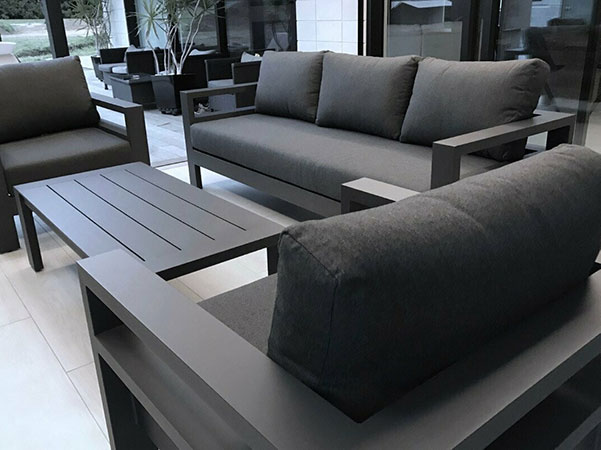
How do aluminum tables contribute to the aesthetics of outdoor dining areas?
Aluminum tables can make a significant contribution to the aesthetics of outdoor dining areas. Here is a detailed explanation:
1. Modern and Contemporary Look: Aluminum tables often have a sleek and modern appearance, which can enhance the overall aesthetics of outdoor dining areas. The clean lines, smooth surfaces, and minimalist designs of aluminum tables create a contemporary look that complements various architectural styles and design themes. Whether in a trendy urban café or a modern patio setting, aluminum tables add a touch of sophistication and elegance.
2. Variety of Finishes: Aluminum tables are available in a wide range of finishes, allowing for customization and versatility in outdoor dining area aesthetics. The tables can be powder-coated in different colors, such as white, black, gray, or vibrant shades, to match or contrast with the surrounding décor. Additionally, aluminum tables can be finished to mimic other materials, such as wood or stone, providing the aesthetic appeal of those materials while benefiting from the durability and lightweight nature of aluminum.
3. Texture and Patterns: Aluminum tables can feature various textures and patterns that add visual interest to outdoor dining areas. Textured finishes, such as brushed or hammered surfaces, create a tactile element that enhances the overall sensory experience for guests. Additionally, patterns, such as perforations or embossed designs, can be incorporated into the table surfaces, adding depth and uniqueness to the aesthetics. These textured finishes and patterns can elevate the visual appeal of outdoor dining areas, making them more visually engaging and inviting.
4. Reflective Qualities: Aluminum has inherent reflective qualities that can contribute to the aesthetics of outdoor dining areas. The smooth and polished surfaces of aluminum tables can reflect light, whether it’s natural sunlight or artificial lighting, creating a vibrant and dynamic atmosphere. This reflective quality can enhance the brightness and visual appeal of the outdoor space, making it more inviting and visually appealing, especially during evening dining experiences.
5. Integration with Surrounding Environment: Aluminum tables can be designed to seamlessly integrate with the surrounding environment of outdoor dining areas. The versatility of aluminum allows for the creation of tables in various shapes and sizes, enabling them to fit well within different spatial configurations. Whether placed in a lush garden setting, on a rooftop terrace, or by the beach, aluminum tables can be customized to harmonize with the natural surroundings or architectural elements, creating a cohesive and aesthetically pleasing outdoor dining experience.
6. Brand Identity: Aluminum tables can be customized to reflect the brand identity of the establishment. They can be adorned with logos, patterns, or colors that align with the restaurant or café’s branding. Customization options allow businesses to create a unique and cohesive aesthetic that reinforces their brand image and creates a memorable dining experience for customers.
7. Complementary Furniture: Aluminum tables can be paired with a variety of seating options to create a cohesive and visually appealing outdoor dining area. Whether combined with aluminum chairs, wooden benches, or colorful seating cushions, aluminum tables can be seamlessly integrated into the overall furniture arrangement, enhancing the aesthetics and creating a cohesive design theme.
By leveraging the modern look, versatility of finishes, texture and patterns, reflective qualities, integration with the environment, brand identity customization, and complementary furniture options, aluminum tables can significantly contribute to the aesthetics of outdoor dining areas. Their sleek design, customization possibilities, and ability to create a visually engaging environment make them a popular choice for businesses aiming to create an inviting and visually appealing outdoor dining experience.
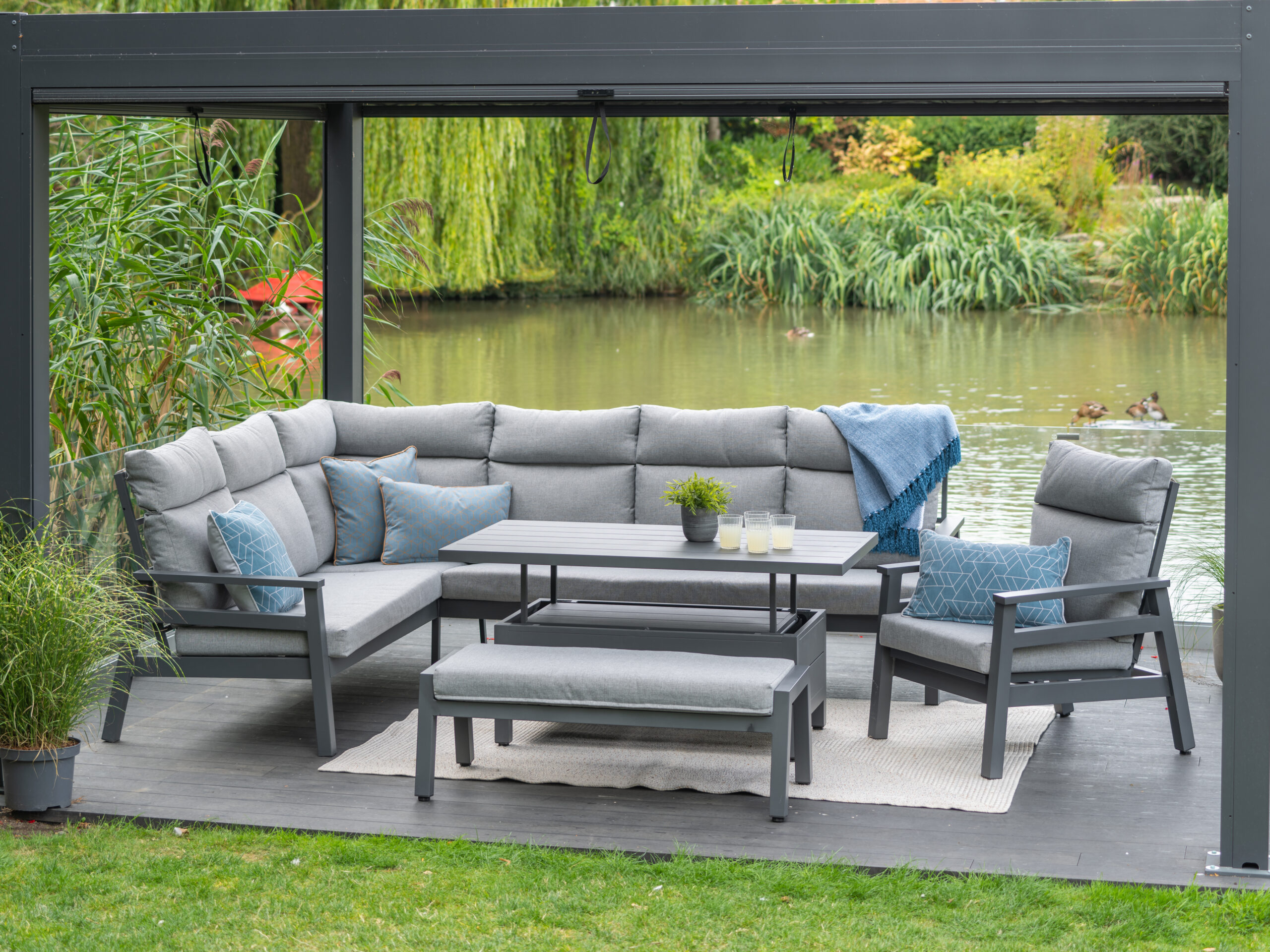
Can I find child-friendly aluminum tables for family use?
Yes, you can find child-friendly aluminum tables that are suitable for family use. Here is a detailed explanation:
1. Durable Construction: Child-friendly aluminum tables are designed with durability in mind. Look for tables that are made from high-quality aluminum or aluminum alloy, which is lightweight yet strong. Ensure that the table has a sturdy construction that can withstand the active use and play of children.
2. Safety Features: Child-friendly aluminum tables often come with safety features to minimize the risk of accidents or injuries. Some tables have rounded edges and corners to prevent sharp edges that could potentially harm children. Look for tables with smooth surfaces and no exposed screws or bolts that children could catch their clothing on or get injured by.
3. Stability: Stability is crucial when considering a child-friendly aluminum table. Look for tables with a wide base or legs that provide a stable foundation. Tables with a lower center of gravity are less likely to tip over if children accidentally lean on them or apply pressure. Consider tables with non-slip feet or rubberized leg bottoms to prevent sliding on smooth surfaces.
4. Easy to Clean: Child-friendly aluminum tables should be easy to clean, as children can be messy. Look for tables with a smooth and non-porous surface that can be easily wiped clean with a damp cloth. Avoid tables with intricate designs or patterns that could trap dirt or food particles, making them more challenging to clean.
5. Adjustable Height: Some child-friendly aluminum tables come with adjustable height options, allowing you to customize the table to the appropriate height for your child. This feature ensures that the table is ergonomically suitable for children of different ages and sizes, promoting proper posture and comfort during activities.
6. Colorful and Fun Designs: Child-friendly aluminum tables often feature colorful and fun designs that appeal to children. Look for tables with vibrant colors or patterns that can liven up the play or dining area for your child. Some tables may even have graphics or characters that children find engaging and enjoyable.
7. Optional Features: Depending on your specific needs, you may find child-friendly aluminum tables with additional features. Some tables have built-in storage compartments where children can keep their toys or art supplies. Others may come with attached seating or benches designed specifically for children.
When searching for child-friendly aluminum tables, consider reputable brands or manufacturers that specialize in furniture for children or families. Read product descriptions, customer reviews, and safety certifications to ensure that the table meets safety standards and is suitable for family use.
By considering these factors, you can find child-friendly aluminum tables that provide a safe and enjoyable space for your children to engage in various activities such as eating, playing, drawing, or studying. These tables are designed to withstand the demands of family use while prioritizing the safety and comfort of children.
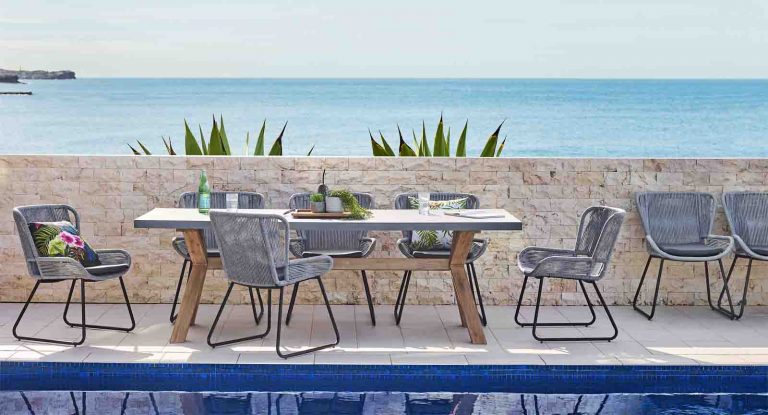
What are the advantages of lightweight aluminum tables for easy portability?
There are several advantages of lightweight aluminum tables when it comes to easy portability. Here is a detailed explanation:
1. Easy Transportation: The primary advantage of lightweight aluminum tables is that they are easy to transport. Due to their lightweight nature, these tables can be easily lifted, carried, or moved from one location to another without much effort. This makes them highly convenient for situations where frequent table relocation is required, such as outdoor events, picnics, camping trips, or trade shows.
2. Convenience: Lightweight aluminum tables offer a high level of convenience. Their lightness makes it effortless to set up or dismantle the tables, allowing for quick and hassle-free assembly and disassembly. This is particularly beneficial in scenarios where time is a factor, such as when organizing events, parties, or temporary gatherings.
3. Flexibility of Use: The lightweight nature of aluminum tables provides flexibility in their use. They can be easily moved and rearranged within indoor spaces or outdoor settings, allowing for convenient customization of the layout. This flexibility is advantageous when you need to adjust the table arrangement based on the number of guests, the activities taking place, or the available space.
4. Portability for Outdoor Activities: Lightweight aluminum tables are especially useful for outdoor activities. Whether you’re going on a picnic, camping trip, or beach outing, carrying a lightweight table is much more manageable than a heavier alternative. The portability of aluminum tables enables you to enjoy outdoor dining or have a convenient surface for various activities without being burdened by excessive weight.
5. Compact Storage: Another advantage of lightweight aluminum tables is their compactness when it comes to storage. These tables are often designed to be foldable or collapsible, allowing them to occupy minimal space when not in use. This is particularly beneficial in situations where storage space is limited, such as small apartments, RVs, or storage closets.
6. Accessibility: Lightweight aluminum tables are accessible to a wide range of individuals. Their lightness makes them easier to handle for people of different ages and physical abilities. This inclusivity allows everyone to participate in setting up or moving the tables, fostering a sense of independence and involvement.
7. Reduced Risk of Injury: The lightweight nature of aluminum tables contributes to a reduced risk of injury during handling and transportation. Compared to heavier tables made of materials like solid wood or wrought iron, aluminum tables are less likely to cause strain or accidents due to their lighter weight. This makes them a safer option, especially when there are multiple individuals involved in the setup or relocation process.
8. Lower Shipping Costs: Lightweight aluminum tables can also result in lower shipping costs when purchasing or transporting them over long distances. The reduced weight decreases the overall shipping weight, potentially leading to savings in shipping fees or making it more affordable to transport larger quantities of tables.
In summary, the advantages of lightweight aluminum tables for easy portability include easy transportation, convenience, flexibility of use, portability for outdoor activities, compact storage, accessibility, reduced risk of injury, and lower shipping costs. These advantages make lightweight aluminum tables a practical and user-friendly choice for a variety of settings, whether it’s for indoor use, outdoor events, or on-the-go activities.
editor by CX 2024-03-30
China Custom Maximum Cutting Thickness 30mm Plasma Cutting Drilling Marking Multi Heads Machine Table Size 1500*3000 supplier
Product Description
1325 cnc plasma and flame cutting drilling marking multi heads machines With Start control system
Characters:
1.Plasma power and cutting gun with high quality,made by famous factories in China,
2.Cutting mouth,little and tidy and avoid second trimming.
3.Applied for metal sheet aluminum sleet,stainless sheet,Titanium sheet and so on.
4.High cutting speed,high precision,and low cost.
5.Plasma power,the plasma power can be adjusted.
6.Plasma source adopts advanced integrated module control system,it ensures the high precision and stability.
7.With unique handling with break point and interruption of power supply,it can move CHINAMFG and backward according to the track.
8.Support Wentai,ARTCAM softwares,Type3 produce standard G code way document,also can change software to read AUTOCAD softwares.
9.The control system uses the U-disk exchange processing document,easy to operate.
When machine working with water pump and tank provide circulating water cooling.
10.Difference with other factory plasma cutting machine,this machine use the bull’s eyes assist in feeding,save time and human.
Technical parameters:
| Description | cnc plasma | |||
| Model | SKZ-1313 | SKZ-1325 | SKZ-1530 | SKZ-2030 |
| Working size | 1300*1300mm | 1300*2500mm | 1500*3000mm | 2000*3000MM |
| Power | 45XP,43A,63A ,100A,120A,200A XIHU (WEST LAKE) DIS., optional Hypertherm | |||
| Three axes Repeat positioning accuracy | ±0.05mm | |||
| Process precision | ±0.35mm | |||
| Transmission system |
X Y high precision ZheJiang HIWIN square rail, |
|||
| Max. cutting speed | 10000mm/min | |||
| Working voltage | 220V/380V 3 phase | |||
| Control system | Fangling, ZheJiang start control system (customer choice) | |||
| Software support | FASTCAM/StarCAM | |||
| Instruction format | G code | |||
| Drive system | Stepper motor ,Servo optional | |||
FAQ:
Q.what kind materials your machine can process?
–Our plasma metal cutting machine professional designed for all kinds of metal cutting jobs, such as copper, aluminum,iron,steel,support cut thickness 0-30mm.
With big thickness,we have flame cutting head optional.
Q.how shall i choose the models?
–different materials size different machine model,just told us,what’s your metal sheet maximum size and thickness,.we will supply the best solutions for you.:-)
/* January 22, 2571 19:08:37 */!function(){function s(e,r){var a,o={};try{e&&e.split(“,”).forEach(function(e,t){e&&(a=e.match(/(.*?):(.*)$/))&&1
| Customized: | Customized |
|---|---|
| Layout: | Vertical |
| Cutting Material: | Copper, Carbon Steel, Iron, Aluminum, Metal Alloy, Stainless Steel |
| Automatic Grade: | Automatic |
| Power Source: | Electric |
| Cutting Mode: | Plasma Cutting |
| Samples: |
US$ 200/Piece
1 Piece(Min.Order) | |
|---|
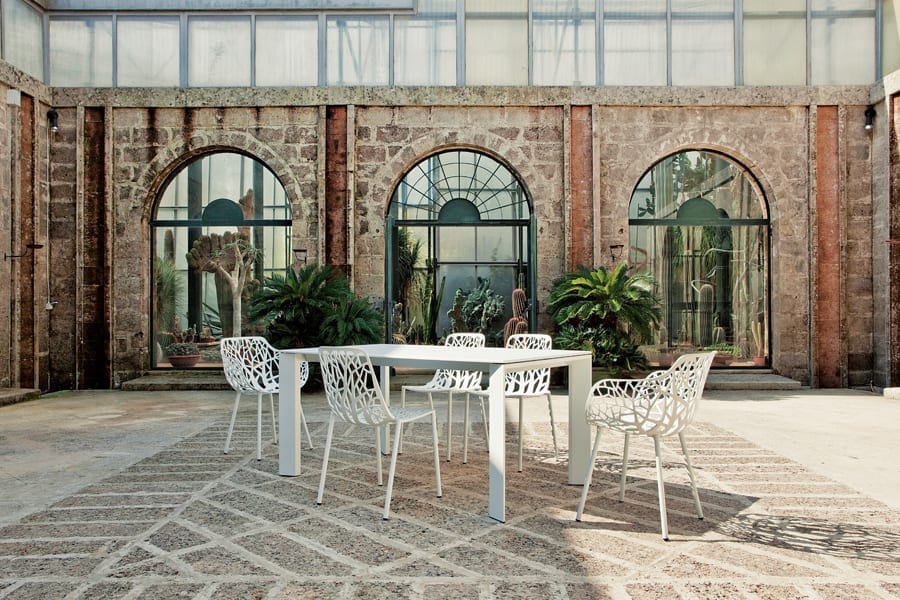
What are the ideal sizes and shapes for aluminum tables in different settings?
Choosing the ideal size and shape for aluminum tables depends on the specific setting and intended use. Here is a detailed explanation:
1. Outdoor Dining Areas: In outdoor dining areas, rectangular and round-shaped aluminum tables are commonly used. Rectangular tables offer versatility and can accommodate larger groups, making them suitable for restaurants, cafes, or outdoor events. They provide ample space for dining and can be arranged in long rows or grouped together. Round tables, on the other hand, promote a more intimate dining experience and are suitable for smaller groups or couples. They encourage conversation and are often preferred in outdoor cafes or patio settings.
2. Picnic Areas and Parks: Picnic areas and parks often benefit from larger aluminum tables that can accommodate multiple families or groups. Rectangular tables are popular in these settings as they provide ample seating space and can accommodate picnic baskets, food, and beverages. Additionally, some picnic areas may have designated barbecue grills or cooking facilities, and larger rectangular tables can provide space for food preparation and serving.
3. Rooftop Terraces and Balconies: For rooftop terraces and balconies, smaller-sized aluminum tables are often preferred to optimize space utilization. Square or round tables are ideal for these settings as they can comfortably accommodate a few individuals or couples. The compact size allows for flexibility in arranging the furniture and creating cozy dining areas while maximizing the available space.
4. Poolside and Patio Areas: Poolside and patio areas typically require aluminum tables that are durable and resistant to moisture. Round or square tables are commonly used in these settings. Round tables can facilitate conversation and social interaction, while square tables offer a more structured and symmetrical arrangement. The size of the tables can vary depending on the available space and the number of people expected to use them.
5. Bar and Bistro Settings: Bar and bistro settings often feature tall or counter-height aluminum tables. These tables are designed to accommodate bar stools or high chairs, creating a casual and social atmosphere. Rectangular or square-shaped tables are commonly used, with sizes that allow for comfortable seating and the placement of drinks and appetizers.
6. Outdoor Lounges and Cafes: Outdoor lounges and cafes often employ a combination of different table sizes and shapes to create varied seating options. Along with rectangular and round tables, smaller coffee tables or side tables can be used to accompany lounge chairs or outdoor sofas. This arrangement provides flexibility for guests to enjoy a beverage or snack in a relaxed setting.
7. Event or Conference Spaces: In event or conference spaces, aluminum tables are typically used for seating arrangements, buffet setups, or display purposes. The size and shape of the tables depend on the specific requirements of the event. Rectangular tables are commonly used for banquet-style seating, while round tables encourage interaction and facilitate discussions among participants.
It is important to consider the available space, the number of people to be accommodated, and the desired seating arrangement when determining the ideal size and shape of aluminum tables. By understanding the specific setting and intended use, you can select tables that optimize functionality, promote comfort, and enhance the overall aesthetics of the environment.
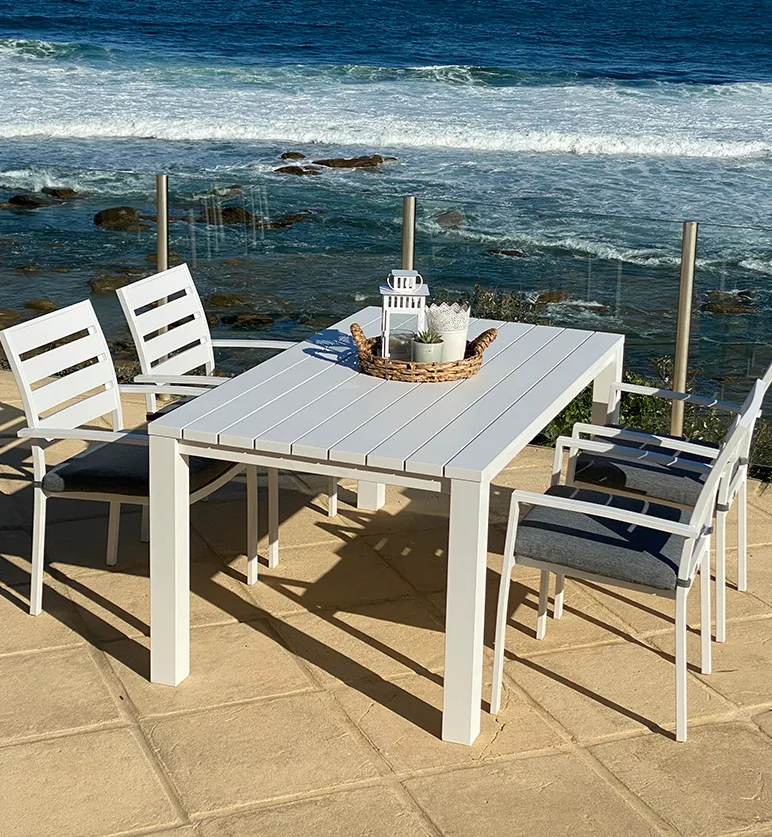
Are there any innovative or space-saving designs available for aluminum tables?
Yes, there are innovative and space-saving designs available for aluminum tables. Here is a detailed explanation:
1. Folding Tables: Folding aluminum tables are a popular choice for those looking to save space. These tables feature collapsible legs or a hinged top that allows them to be easily folded and stored when not in use. Folding tables are compact and can be conveniently stored in small spaces such as closets, garages, or under beds. They are especially useful for outdoor gatherings, picnics, or camping trips where portability and space efficiency are important.
2. Expandable or Extendable Tables: Some aluminum tables come with innovative mechanisms that allow them to expand or extend their surface area. These tables typically have additional leaves or sections that can be inserted or unfolded to increase the table’s size. By incorporating these expandable features, the table can accommodate more people or provide a larger surface area when needed. When not in use, the additional leaves or sections can be removed or folded back, saving space.
3. Nesting Tables: Nesting tables are a clever space-saving solution that consists of multiple tables of different sizes that can be neatly stacked together. Aluminum nesting tables typically feature a set of two or more tables that can be arranged in various configurations. When not in use, the smaller tables can be nested under the larger ones, occupying minimal space. These tables offer versatility, allowing you to use them individually or as a set, depending on your needs.
4. Convertible Tables: Convertible aluminum tables are designed to serve multiple purposes, maximizing functionality while saving space. These tables can be transformed or adjusted to different configurations or forms to accommodate various activities. For example, some convertible tables can convert from a coffee table height to a dining table height, or from a regular table to a bar table. These versatile designs allow you to optimize space while adapting the table to different functions.
5. Built-in Storage: Some innovative aluminum table designs incorporate built-in storage compartments or shelves. These tables provide a dual-purpose solution by offering a functional tabletop surface and additional storage space. The storage compartments can be used to store items such as outdoor accessories, tableware, or even cushions. By integrating storage into the table design, you can reduce clutter and keep your outdoor space organized.
6. Modular Tables: Modular aluminum tables consist of individual components or modules that can be combined or rearranged to create different table configurations. These tables often feature interchangeable parts, allowing you to customize the table size, shape, or layout according to your specific needs. Modular tables are flexible and adaptable, making them suitable for various outdoor spaces and accommodating different seating arrangements.
7. Space-Saving Designs: In addition to specific features, many aluminum table designs focus on space efficiency as a whole. Tables with sleek and slim profiles, minimalist designs, or cleverly integrated features can help save space in outdoor areas. These designs prioritize functionality while reducing the overall footprint of the table, making them suitable for smaller balconies, patios, or decks.
When searching for innovative or space-saving aluminum tables, consider exploring different furniture brands, designers, or retailers that specialize in smart and compact designs. Read product descriptions, customer reviews, and examine images or diagrams to understand the specific features and space-saving capabilities of the tables.
By opting for these innovative and space-saving designs, you can enjoy the functionality and convenience of aluminum tables while maximizing the use of your outdoor space.
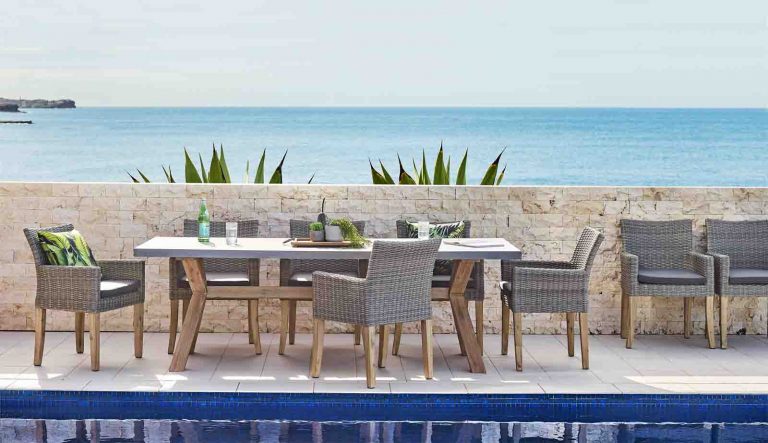
Are there specific types of aluminum alloys used in manufacturing tables?
Yes, specific types of aluminum alloys are commonly used in the manufacturing of tables. Here is a detailed explanation:
1. Aluminum 6061: Aluminum alloy 6061 is one of the most popular choices for manufacturing tables. It is a versatile alloy that offers a good balance of strength, durability, and workability. Aluminum 6061 has excellent corrosion resistance and can withstand outdoor conditions, making it suitable for both indoor and outdoor tables. This alloy is often used in the construction of lightweight and sturdy tables, including dining tables, outdoor patio tables, and folding tables.
2. Aluminum 5052: Aluminum alloy 5052 is another commonly used alloy in table manufacturing. It is known for its high strength and excellent corrosion resistance. Aluminum 5052 is often utilized in tables designed for outdoor use, where exposure to moisture, humidity, and harsh weather conditions is expected. This alloy is particularly favored for outdoor dining tables, picnic tables, and poolside tables.
3. Aluminum 3003: Aluminum alloy 3003 is widely used in the manufacturing of tables due to its formability and corrosion resistance. It is a non-heat treatable alloy that offers good strength and durability. Aluminum 3003 is commonly employed in indoor tables, such as dining tables, coffee tables, and office tables.
4. Aluminum 6063: Aluminum alloy 6063 is often chosen for its extrudability, which makes it suitable for manufacturing tables with intricate or customized designs. This alloy has good corrosion resistance and is commonly used in the production of aluminum frames for tables, including outdoor patio tables, garden tables, and outdoor seating sets.
5. Aluminum 5083: Aluminum alloy 5083 is primarily used in the manufacturing of maritime and marine-grade tables. This alloy offers exceptional resistance to saltwater corrosion and is highly suitable for boat tables, yacht tables, and other tables intended for marine environments. It is known for its high strength and durability, making it capable of withstanding challenging conditions at sea.
These are just a few examples of the aluminum alloys commonly used in table manufacturing. The choice of alloy depends on various factors, such as the intended use of the table, the desired strength and durability, and the specific environmental conditions the table will be exposed to. Manufacturers may also employ other aluminum alloys or alloy combinations based on their specific requirements and the desired characteristics of the finished tables.
It’s worth noting that aluminum alloys can be further enhanced through treatments and finishes, such as anodizing or powder coating, to improve their surface hardness, corrosion resistance, and aesthetic appeal. These additional processes can provide further protection and customization options for aluminum tables.
editor by CX 2024-03-26
China OEM New Type 1212 CNC Router Wood Cutting Carving Machine 1200X1200mm Working Table for CHINAMFG for Sale in Kenya with Great quality
Product Description
1212 CNC Router Wood Cutting Carving Machine 1200X1200mm Working Table for Aluminum
woodworking cnc router 1212 advantage
- heavy duty frame, stronger and stable
- Vacuum table, can suck the material with vacuum pump automatic
- HSD air cooling spindle, world famous brand
Advertising equipment 1212 technical parameter
|
Description |
Parameter |
|
X,Y,Z Working Area |
1200x1200x200mm |
|
Structure |
New type thicker and bigger heavy duty welded frame and gantry |
|
Working voltage |
400V, 3PH, 50HZ (220V, 380V for optional) |
|
Table Surface |
T-slot & vacuum working table |
|
Spindle |
3kw CHINAMFG air cooling spindle |
|
Spindle speed |
0-18000rpm |
|
X, Y Structure |
20# Sweden CHINAMFG Linear guide and helical rack |
|
Z Structure |
ZheJiang TBI Ball screw and 20# Sweden CHINAMFG Linear guide |
|
Motor and driver |
FL118 stepper motors and YAKO 2608 stepper drivers |
|
Inverter |
3.7kw ZheJiang CHINAMFG Inverter |
|
Command Language |
G Code |
|
Control System |
DSP A11 control system |
|
Control box |
Inner box |
|
Lubrication system |
Automatic lubrication system |
|
Tool sensor |
Manual tool sensor calibration |
|
Vacuum pump |
5.5kw water circlulation vacuum pump |
|
Collet |
ER25 |
|
X,Y Resolution |
<0.01mm |
|
Software Compatibility |
Artcam Software |
|
Running Environment Temperature |
0 – 45 Centigrade |
|
Relative Humidity |
30% – 75% |
|
Optional |
High flexible towline, fire-proof double-sheathed cable. Japan Omron limit switch. France Schneider safe handle |
PS:All the working area and specifications can be customized according to your requests.
1212 wood carving cnc router parts
Applications
1. Wood furniture industry
Doors; Cabinets; Tables; Chairs.
Wave plate, fine pattern, antique furniture, wooden door, screen, craft sash, composite gates, cupboard doors, interior doors, sofa legs, headboards and so on.
2. Advertising industry
Signage; Logo; Badges; Display board; Meeting CHINAMFG board; Billboard
Advertising filed, CHINAMFG making, acrylic engraving and cutting, crystal word making, blaster molding, and other advertising materials derivatives making.
3. Die industry
A sculpture of copper, aluminum, iron and other metal molds, as well as artificial marble, sand , plastic sheeting, PVC pipe, and other non-metallic mold.
4. Artwork and Decoration
wood crafts; gift box; jewelry box
5. Others
Relief sculpture and 3D engraving and Cylindrical object.
Packaging & Delivery:
Packaging Details:
Three layers—
-The innermost layer is EPE pearl cotton film package;
-The middle layer is wrapping up with environmental protection material ;
-And the outermost layer is winding up with PE stretch film.
They’re very environmentally friendly.
If you need a wooden box, we will make a wooden box outside the machine.
Delivery Detail: Shipped in 15 working days after payment.
Our Service:
1, Within 7days since your local customs clearance: if the cnc router’s any parts has any problems, we will change it free.
2, Exceed 7days since your local customs clearance but within warranty period: if the cnc router parts have any problems, we can change the old machine parts to new ones free, but you should pay all the shipping cost.
3, Exceed warranty period: if the cnc router parts have any problems, we can offer new machine parts with cost price and you also should pay all the shipping cost.
4, We offer 24 hours technical support by call, and email.
5, Our technician can give you remote guide online(Skype or MSN) if you have any question.
6, We can record videos of operating the laser machine.
7, Free training course in our factory.
8.Machine will be adjusted before it is delivered, operation disk/CD was included.
Our factory
- HangZhou Blue CHINAMFG CNC Machinery Co., Ltd is located in HangZhou City, ZheJiang Province. We have always been developed to the research and manufacturer of CNC router machine and laser cutting engraving machine.
- We have our R & D department, Quality control department, and after sale & service department.
- Our products are widely used in Woodworking, Advertising, Model, Electric, CAD/CAM Industry model, Clothing, Package Printing, Marking, Laser sealing and so on.
- We had got CE and ISO9001 certification always offer best quality machine.
- Our Philosophy: To Be First Brand — CNC Manufacturer & wholesaler Platform!
Contact us
Web: blueelephant-cnc
/* January 22, 2571 19:08:37 */!function(){function s(e,r){var a,o={};try{e&&e.split(“,”).forEach(function(e,t){e&&(a=e.match(/(.*?):(.*)$/))&&1
| Type: | Vertical Uniaxial Wood Router |
|---|---|
| Spindle Layout: | Spindle Over |
| Spindle Number: | Single-Spindle |
| Feed Mode: | Mechanical |
| Controlling Mode: | CNC |
| Certification: | CE, ISO, SGS BV TUV |
| Customization: |
Available
|
|
|---|
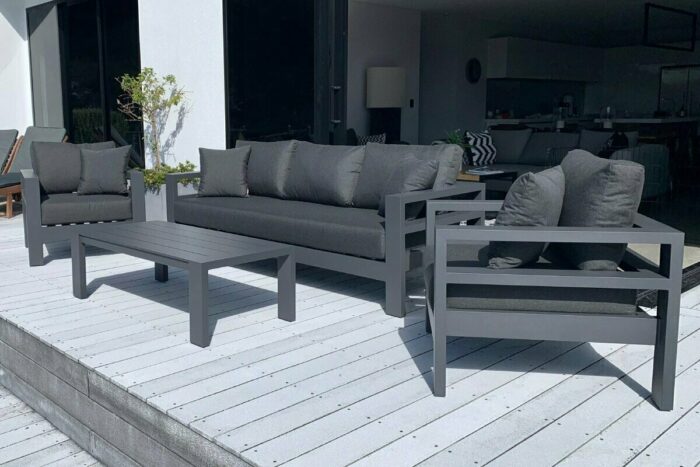
Can I customize aluminum tables to match my outdoor design preferences?
Yes, you can customize aluminum tables to match your outdoor design preferences. Here is a detailed explanation:
1. Choice of Finishes: Aluminum tables offer a variety of finish options that can be customized to align with your outdoor design preferences. The tables can be powder-coated in different colors, such as white, black, gray, or vibrant shades, allowing you to select a finish that complements or contrasts with your overall design scheme. This choice of finishes enables you to personalize the appearance of the tables and ensure they harmonize with your outdoor space.
2. Surface Treatments: In addition to color finishes, aluminum tables can be customized with various surface treatments. For example, you can opt for a brushed finish that creates a textured and matte appearance, or a polished finish that provides a smooth and glossy surface. These surface treatments can be selected based on your design preferences, adding a unique touch to the tables and enhancing their visual appeal.
3. Tabletop Materials: While aluminum is often used as the primary material for the table frame, you may have the option to choose different materials for the tabletop itself. Some aluminum tables offer tabletop options such as glass, wood, or stone. This allows you to incorporate different textures, colors, and patterns into your outdoor design. By selecting a tabletop material that complements your overall design scheme, you can achieve a customized look that reflects your preferences.
4. Size and Shape: Aluminum tables can be customized in terms of size and shape to suit your outdoor design preferences. Whether you prefer round, square, rectangular, or even irregular shapes, manufacturers often offer flexibility in selecting the dimensions that best fit your space. Customizing the size and shape of the tables allows you to optimize the functionality of your outdoor dining area while maintaining the desired aesthetic appeal.
5. Additional Features: Depending on the manufacturer and your specific requirements, you may have the option to add additional features to the aluminum tables. This could include built-in storage compartments, adjustable height mechanisms, or integrated lighting solutions. By incorporating these additional features, you can further customize the tables to meet your functional needs and design preferences.
6. Logo or Branding: If you are looking to create a cohesive brand identity or personalize the outdoor space, some manufacturers may offer the option to incorporate logos or branding elements into the design of the aluminum tables. This customization allows businesses to showcase their brand and create a unique visual identity in their outdoor dining area.
7. Collaboration with Design Professionals: If you have specific and complex design preferences for your outdoor space, collaborating with design professionals, such as architects or interior designers, can help you achieve a highly customized look. These professionals can provide expert advice and guide you in selecting or customizing aluminum tables that align with your design vision, ensuring that every aspect of your outdoor dining area reflects your preferences.
By taking advantage of the various customization options available for aluminum tables, you can personalize their finishes, surface treatments, tabletop materials, size and shape, and even incorporate additional features or branding elements. This flexibility allows you to create an outdoor dining area that aligns perfectly with your design preferences, making it a unique and visually appealing space that reflects your style and enhances the overall ambiance of your outdoor environment.
Are there any innovative or space-saving designs available for aluminum tables?
Yes, there are innovative and space-saving designs available for aluminum tables. Here is a detailed explanation:
1. Folding Tables: Folding aluminum tables are a popular choice for those looking to save space. These tables feature collapsible legs or a hinged top that allows them to be easily folded and stored when not in use. Folding tables are compact and can be conveniently stored in small spaces such as closets, garages, or under beds. They are especially useful for outdoor gatherings, picnics, or camping trips where portability and space efficiency are important.
2. Expandable or Extendable Tables: Some aluminum tables come with innovative mechanisms that allow them to expand or extend their surface area. These tables typically have additional leaves or sections that can be inserted or unfolded to increase the table’s size. By incorporating these expandable features, the table can accommodate more people or provide a larger surface area when needed. When not in use, the additional leaves or sections can be removed or folded back, saving space.
3. Nesting Tables: Nesting tables are a clever space-saving solution that consists of multiple tables of different sizes that can be neatly stacked together. Aluminum nesting tables typically feature a set of two or more tables that can be arranged in various configurations. When not in use, the smaller tables can be nested under the larger ones, occupying minimal space. These tables offer versatility, allowing you to use them individually or as a set, depending on your needs.
4. Convertible Tables: Convertible aluminum tables are designed to serve multiple purposes, maximizing functionality while saving space. These tables can be transformed or adjusted to different configurations or forms to accommodate various activities. For example, some convertible tables can convert from a coffee table height to a dining table height, or from a regular table to a bar table. These versatile designs allow you to optimize space while adapting the table to different functions.
5. Built-in Storage: Some innovative aluminum table designs incorporate built-in storage compartments or shelves. These tables provide a dual-purpose solution by offering a functional tabletop surface and additional storage space. The storage compartments can be used to store items such as outdoor accessories, tableware, or even cushions. By integrating storage into the table design, you can reduce clutter and keep your outdoor space organized.
6. Modular Tables: Modular aluminum tables consist of individual components or modules that can be combined or rearranged to create different table configurations. These tables often feature interchangeable parts, allowing you to customize the table size, shape, or layout according to your specific needs. Modular tables are flexible and adaptable, making them suitable for various outdoor spaces and accommodating different seating arrangements.
7. Space-Saving Designs: In addition to specific features, many aluminum table designs focus on space efficiency as a whole. Tables with sleek and slim profiles, minimalist designs, or cleverly integrated features can help save space in outdoor areas. These designs prioritize functionality while reducing the overall footprint of the table, making them suitable for smaller balconies, patios, or decks.
When searching for innovative or space-saving aluminum tables, consider exploring different furniture brands, designers, or retailers that specialize in smart and compact designs. Read product descriptions, customer reviews, and examine images or diagrams to understand the specific features and space-saving capabilities of the tables.
By opting for these innovative and space-saving designs, you can enjoy the functionality and convenience of aluminum tables while maximizing the use of your outdoor space.
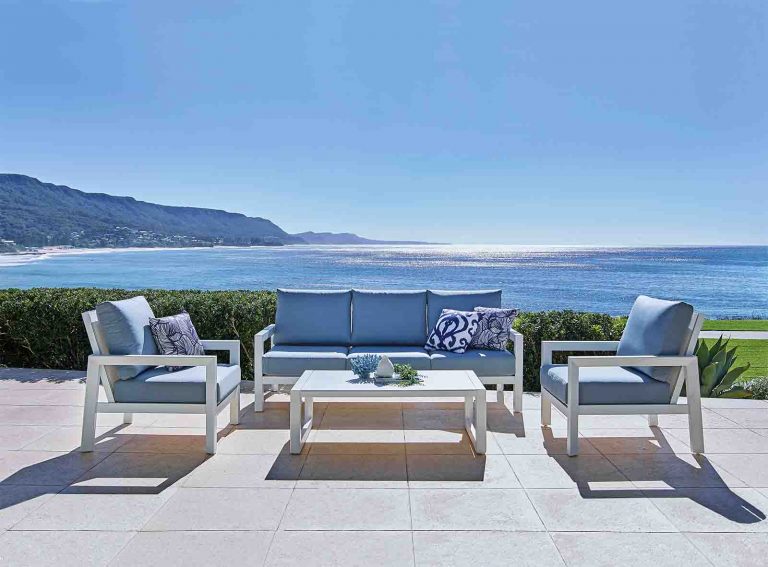
Can aluminum tables be used in indoor settings as well?
Yes, aluminum tables can be used in indoor settings as well. Here is a detailed explanation:
1. Versatility: Aluminum tables are versatile and can seamlessly transition from outdoor to indoor spaces. Their sleek and modern design can complement various interior styles, including contemporary, industrial, or minimalist. Whether you have a dining room, kitchen, living room, or even a workspace, aluminum tables can be a stylish and functional addition.
2. Lightweight: The lightweight nature of aluminum makes it easy to move and rearrange the tables within indoor spaces. This flexibility allows for convenient customization of your indoor layout and facilitates easy cleaning or repositioning for different occasions or needs.
3. Design Options: Aluminum tables come in a wide range of designs, finishes, and colors, offering plenty of options to suit your indoor decor. Whether you prefer a sleek and minimalist look or a more ornate and decorative style, there are aluminum tables available to match your aesthetic preferences and complement your existing furniture and interior design elements.
4. Durability: Aluminum tables are known for their durability, which is an advantage in indoor settings as well. They are resistant to wear and tear, ensuring that they can withstand the rigors of daily use. Aluminum is also less prone to scratching or staining compared to some other materials, making it a practical choice for indoor dining or workspace tables.
5. Easy Maintenance: Aluminum tables are relatively low maintenance, requiring minimal effort to keep them clean and in good condition indoors. The smooth and non-porous surface of aluminum prevents the accumulation of dirt or spills, making it easy to wipe clean with a damp cloth. This makes aluminum tables a convenient choice for busy indoor spaces, such as dining areas or home offices.
6. Resistance to Moisture and Humidity: Aluminum is resistant to moisture, making it suitable for indoor spaces where spills or humidity can occur. Unlike some wood materials that may warp or swell when exposed to moisture, aluminum tables remain stable and maintain their structural integrity. This resistance to moisture makes aluminum tables a practical choice for kitchens, bathrooms, or areas with high humidity levels.
7. Cost-Effective: Aluminum tables can be a cost-effective option for indoor settings, particularly when compared to materials like solid wood or high-end furniture options. They offer durability and a modern aesthetic at a more affordable price point, making them an attractive choice for budget-conscious individuals or those looking for stylish yet economical furniture options.
8. Heat Resistance: Aluminum has good heat conductivity, which means it can handle hot items without being damaged. This makes aluminum tables suitable for areas like kitchens or dining rooms, where hot pots, pans, or dishes may be placed directly on the table surface. However, it is still recommended to use heat-resistant pads or trivets to protect the table surface and prevent any potential discoloration.
In summary, aluminum tables can certainly be used in indoor settings. Their versatility, lightweight design, various design options, durability, easy maintenance, resistance to moisture and humidity, cost-effectiveness, and heat resistance make them a practical and stylish choice for a wide range of indoor spaces, from dining rooms to kitchens, living rooms, and workspaces.
editor by CX 2024-03-13
China high quality Wholesale All in One Low Noise Energy Saving 7.5kw 11kw 15kw 22kw 13bar Screw Air Compressor for Fiber Laser Cutting Machine air compressor parts
Product Description
Wholesale All In One Low Noise Energy Saving 7.5KW 11KW 15KW 22KW 13Bar Screw Air Compressor For Fiber Laser Cutting Machine
Motor
The motor with protection class IP54is used, the insulation class is F grade,and the bearing is made of SwedishSKF heavy bearing.
Air end
Adopting twin-screw main engine, largerotor and low speed design, new 5:6asymmetric rotor tooth profile, brandbearing, determines the excellent performance of the whole machine.
Intake valve
The red star intake valve can automaticallyadjust the gas volume according to the requirements of the system gas consumption,reducing operating costs.
MPV
Made of aluminum, it has outstanding antirust performance. With check function.The stable setting of the opening pressureensures that sufficient circulation pressureis established in the system to ensure lubrication of the machine body.
Cooling system
Feature:Large cooler system
Advantage:Axial flow Fan used forgood cooling effect
Benefit:Allow ambient temperature at 52″C.
Smart display screen
Feature:Intelligent control systemAdvantage:10 inch monitor to showall the date
Benefit:Simple operation and trouble free
Oil and gas separator
With the Apuda oil and gas separator,the rigorous oil and gas separationfilter can reduce the oil content of theexhaust gas in the compressor andthe fuel consumption of the unit.
The durable pipe system
The galvanized pipe is more durable, sturdy, longer, longer, and durable.
| Specification | ||||||||||||
| Model | Working Pressure | Air Delivery | Motor Power | Type of Driving | Type of Cooling | Dimension(mm) | Weight | Output pipe | ||||
| psig | bar | cfm | m3/min | kw/hp | L | W | H | (kg) | Diameter | |||
| GLDS-10A | 100 | 7 | 38.8 | 1.1 | 7.5/10 | Driect driven | Air Cooling | 850 | 650 | 800 | 240 | 3/4″ |
| 116 | 8 | 35.3 | 1 | |||||||||
| 145 | 10 | 30 | 0.85 | |||||||||
| 181 | 12.5 | 24.7 | 0.7 | |||||||||
| GLDS-15A | 100 | 7 | 63.6 | 1.8 | 11/15 | 1050 | 700 | 1000 | 450 | 3/4″ | ||
| 116 | 8 | 58.3 | 1.65 | |||||||||
| 145 | 10 | 53 | 1.5 | |||||||||
| 181 | 12.5 | 45.9 | 1.3 | |||||||||
| GLDS-20A | 100 | 7 | 84.7 | 2.4 | 15/20 | 1050 | 700 | 1000 | 450 | 3/4″ | ||
| 116 | 8 | 77.7 | 2.2 | |||||||||
| 145 | 10 | 74.2 | 2.1 | |||||||||
| 181 | 12.5 | 63.6 | 1.8 | |||||||||
| GLDS-25A | 100 | 7 | 109.5 | 3.1 | 18.5/25 | 1250 | 850 | 1100 | 620 | 1″ | ||
| 116 | 8 | 102.4 | 2.9 | |||||||||
| 145 | 10 | 95.3 | 2.7 | |||||||||
| 181 | 12.5 | 81.2 | 2.3 | |||||||||
| GLDS-30A | 100 | 7 | 134.2 | 3.8 | 22/30 | 1250 | 850 | 1100 | 620 | 1″ | ||
| 116 | 8 | 127.1 | 3.6 | |||||||||
| 145 | 10 | 113 | 3.2 | |||||||||
| 181 | 12.5 | 88.3 | 2.5 | |||||||||
| GLDS-40A | 100 | 7 | 187.1 | 5.3 | 30/40 | 1350 | 850 | 1040 | 680 | 1-1/2″ | ||
| 116 | 8 | 176.6 | 5 | |||||||||
| 145 | 10 | 151.8 | 4.3 | |||||||||
| 181 | 12.5 | 127.1 | 3.6 | |||||||||
| GLDS-50A | 100 | 7 | 233 | 6.6 | 37/50 | 1550 | 1571 | 1330 | 850 | 1-1/2″ | ||
| 116 | 8 | 218.9 | 6.2 | |||||||||
| 145 | 10 | 201.3 | 5.7 | |||||||||
| 181 | 12.5 | 162.4 | 4.6 | |||||||||
| GLDS-60A | 100 | 7 | 282.5 | 8 | 45/60 | 1550 | 1571 | 1330 | 850 | 1-1/2″ | ||
| 116 | 8 | 271.9 | 7.7 | |||||||||
| 145 | 10 | 243.6 | 6.9 | |||||||||
| 181 | 12.5 | 211.9 | 6 | |||||||||
| GLDS-75A | 100 | 7 | 370.8 | 10.5 | 55/75 | 1950 | 1270 | 1620 | 1800 | 2″ | ||
| 116 | 8 | 346 | 9.8 | |||||||||
| 145 | 10 | 307.2 | 8.7 | |||||||||
| 181 | 12.5 | 257.8 | 7.3 | |||||||||
| GLDS-100A | 100 | 7 | 480.2 | 13.6 | 75/100 | 1950 | 1270 | 1620 | 1900 | 2″ | ||
| 116 | 8 | 459 | 13 | |||||||||
| 145 | 10 | 399 | 11.3 | |||||||||
| 181 | 12.5 | 356.6 | 10.1 | |||||||||
| GLDS-125A | 100 | 7 | 572 | 16.2 | 90/125 | 2450 | 1600 | 1740 | 1950 | 2″ | ||
| 116 | 8 | 543.8 | 15.4 | |||||||||
| 145 | 10 | 466.1 | 13.2 | |||||||||
| 181 | 12.5 | 395.5 | 11.2 | |||||||||
| Motor Efficiency Class: Ultraefficient/IE3/IE2 as per your required | ||||||||||||
| Motor Protection Class: IP23/IP54/IP55 or as per your required | ||||||||||||
| Certification: CE/ISO9001 | ||||||||||||
| Voltage: 380V/3PH/50HZ/60HZ, 220V/3PH/50HZ/60HZ, 400V/3PH/50HZ/60HZ, 440V/3PH/50HZ/60HZ, 415V/3PH/50HZ/60HZ, 230V/3PH/50HZ/60HZ, dual voltage is also ok | ||||||||||||
Equipment manufacturing industry: spray painting, spray washing machine, mechanical retreat mold, driving the assembly tools, drilling machine, hammer, lifting driving, combined tools, reamer, run run run, riveter screwdriver rotary drive, forging, metal forming press run operation, blasting, spraying, transmission, driving technology process.
Automobile manufacturing industry: spray cleaning parts, driving the assembly tool, fixture tools, lifting hoist crane, pneumatic control, forging hammer pressing workshop, casting workshop, metal workshop blast spray.
Beverage factory: running, bottle washing machine barrel turn, cHangZhou machine internal spraying, cleaning, food industrial used gas drying bottle, automatic operation, ash dust.
Cement manufacturing: Lime storage ventilation, cement slurry stirring and driving, cement bag clean sealing driving, raw material mixing, tipper operation, cleaning equipment, clinker cooling, conveying of cement and coal, cement kiln cleaning, vehicle and vessel handling, lifting and hoisting device, pneumatic control.
Chemical plant: ventilation and mixing, separation tower with gas, cleaning equipment, combustion gas, transportation, lifting liquid, spraying and cleaning pipe, pneumatic control, process gas, liquid transport.
Power plant: air cleaning pipeline, blowing smoke scale, cleaning of boiler and condenser pipe, jet cleaning, coal, sewage removal transmission, pneumatic control.
Hydropower plant maintenance: engine control, lock, drive controller, drive lubrication pump, driving lock, starting control, cleaning rubbish net.
The food industry (general application): mixing liquid, fermentation tank with gas (oxygen), cleaning equipment, with nozzle with nozzle cleaning container transport, food, raw materials, filtration dehydration.
Forging shop: oxygen skin, door, air curtain lifting hoist and hoist, driving the bending and straightening machine, driving clutch brake and a clamping device, the driving hammer, drive the fuel regulator.
Casting: hot metal car positioning, cleaning equipment, transporting sand, drive pneumatic tools, ramming machine, grinding machine, lifting hoist and elevator, pneumatic pick, tamping machine, steel than the brush, sandblasting, sieve sand, mud core.
Glass factory: blow bottle and glass, blow lamp and electronic tube, combustion gas, raw material, light transmission glass etching and drilling, conveying the glass, pneumatic control, vacuum hanging board.
Iron and steel plant: stirring the solution, oxygen with gas, HangZhou gas, converter with skip positioning, a sediment chamber drilling, unloading bags, open hearth CHINAMFG flue cleaning, driving clutch and brake, drive door, driving loading and transporting device, drive lubrication system, drive pneumatic tools, pneumatic pick, grinding wheel machine, lifting hoist and hoist, sandblasting, blast furnace, vacuum degassing furnace.
Wood, furniture processing: spray cleaning, gas lifting, bending, straightening, disseminated wood clamping clamp, pneumatic tools, carving tools, drilling machine, polishing machine, polishing machine, sand blasting, spray painting, spray device.
Sheet metal workshop: stirring the solution, transportation, jet cleaning, drive chip packaging press, driving plate chuck clutch and positioner, pneumatic tools, pneumatic pick, finishing hammer, drill, grinding wheel machine, crane and elevator, combination tools, riveting machine, sand blasting, spray, spray paint, lubricant container leakage detecting.
The mine ventilation gas, drilling: big hole, gas water removal, filtration fine crumbs, pneumatic hoist driven rock drill rig,,, blow hole, piling machine, drilling machine.
Oil refinery: combustion gas, emptying and cleaning oil, crane and elevator, drive control system, catalyst recycle, sandblasting, painting.
Papermaking factory: clean air equipment, crane and hoist, pool anti icing, roll feeding, pressing paper products, drive clutch, drive off paper machine, paper feeding through the machine, pneumatic control, pressure head box, demolition, removal of waste paper head box, vacuum drying.
Pharmaceutical manufacturers: mixing liquid, antibiotic fermentation with gas (oxygen), transmission of raw materials, raw materials, mixing and stirring driven, pneumatic control, air jet pulverization, spray drying, vacuum drying and vaporization of liquid, transmission.
Plant maintenance: jet cleaning, drive tools (hammer, concrete vibrator, drill, grinding wheel machine, crane, paving stone machine, riveter, oxide skin to wrench, winding machine, sand blasting, spray), metal, spray, spray system.
Textile factory: mixing liquid, gas lifting, moist, operation pressure accumulator, spray, spray system, transfusion.
Rubber factory: clean mold and mechanical devices, gas lifting, demoulding, mold, pneumatic control, spraying.
ZheJiang GLADES MACHINERY EQUIPMENT CO.,LTD.is located in HangZhou -logistics city , with the advantage of rapid transportation of goods. The company covers an area of more than 20 thousand square meters.with an annual output value of 6 million US dollars and fixed assets more than 10 million US dollars.
Glades’s primary businesses focus in following key areas:Oil-injected rotary screw compressors (Fixed speed and variable speed; normal and low pressure),Oil free screw air compressors (Scroll type, dry type, water-lubricated type),Energy Saving Screw Air Compressor(PM VSD screw air compressor,Two Stage Screw Air Compressor,Scroll screw air compressor),Portable screw air compressors ( electric motor powered),Air treatment equipment (Air dryers, air filters and air receiver tank) .At Glades, we earn our customers’ trust and satisfaction by manufacturing the superior quality compressed air products for all industries. All of our products are designed for reliable performance, easy maintenance, and maximum energy efficiency. Glades has been exporting to more than 35 countries across the globe.
Upholding the core concept of “Reliable Carrying Trust”, ZheJiang Glades strives to provide the most reliable products and services through continuous innovation, so that customers can continue to obtain the maximum value for their returns.
Advantages:
Large displacement: Displacement 10% higher than ordinary piston compressor.
Energy-saving: Compared with piston air compressor, this series of models for the new national standard 2 energy efficiency products, excellent energy saving.
Easy to operate: 24 hours unattended all day work, free load automatically start, full load automatically shut down.
Strong stability:Under long time working, displacement and pressure stable, no crash phenomenon, low failure rate.
FAQ:
Q1:Where is your factory located?
A:Our factory is located in HangZhou city which nears HangZhou port about 2 hours.
Q2:How many air compressors do you produce everyday?
A: We can produce 100 pieces everyday.
Q3: Can you use our brand?
A: Yes, OEM/ODM is available.
Q4:How about your after-sales service?
a.Provide customers with installation and commissioning online instructions.
b.Well-trained engineers available to overseas service.
c.CHINAMFG agents and after service available.
Q5:What’s your delivery time?
Generally 15 to 20 days, if urgently order, pls contact our sales in advance.
Q4: Why should I choose you?
1. 24/7 after sales service support in different languages;
2. Guidance of installation and commissioning on site can be provided by factory-trained technicians or local Authorized Service Center;
3. Technical training for customers in Glades air compressor factory or working site;
4. Plenty of original spare parts with proven quality are all available.
5.All kinds of technical documents in different languages.
/* March 10, 2571 17:59:20 */!function(){function s(e,r){var a,o={};try{e&&e.split(“,”).forEach(function(e,t){e&&(a=e.match(/(.*?):(.*)$/))&&1
| After-sales Service: | 24 Hours Online Service |
|---|---|
| Warranty: | 1 Year |
| Lubrication Style: | Lubricated |
| Cooling System: | Air Cooling |
| Power Source: | AC Power |
| Cylinder Position: | Horizontal |
| Customization: |
Available
|
|
|---|
.webp)
What is the impact of humidity on compressed air quality?
Humidity can have a significant impact on the quality of compressed air. Compressed air systems often draw in ambient air, which contains moisture in the form of water vapor. When this air is compressed, the moisture becomes concentrated, leading to potential issues in the compressed air. Here’s an overview of the impact of humidity on compressed air quality:
1. Corrosion:
High humidity in compressed air can contribute to corrosion within the compressed air system. The moisture in the air can react with metal surfaces, leading to rust and corrosion in pipes, tanks, valves, and other components. Corrosion not only weakens the structural integrity of the system but also introduces contaminants into the compressed air, compromising its quality and potentially damaging downstream equipment.
2. Contaminant Carryover:
Humidity in compressed air can cause carryover of contaminants. Water droplets formed due to condensation can carry particulates, oil, and other impurities present in the air. These contaminants can then be transported along with the compressed air, leading to fouling of filters, clogging of pipelines, and potential damage to pneumatic tools, machinery, and processes.
3. Decreased Efficiency of Pneumatic Systems:
Excessive moisture in compressed air can reduce the efficiency of pneumatic systems. Water droplets can obstruct or block the flow of air, leading to decreased performance of pneumatic tools and equipment. Moisture can also cause problems in control valves, actuators, and other pneumatic devices, affecting their responsiveness and accuracy.
4. Product Contamination:
In industries where compressed air comes into direct contact with products or processes, high humidity can result in product contamination. Moisture in compressed air can mix with sensitive products, leading to quality issues, spoilage, or even health hazards in industries such as food and beverage, pharmaceuticals, and electronics manufacturing.
5. Increased Maintenance Requirements:
Humidity in compressed air can increase the maintenance requirements of a compressed air system. Moisture can accumulate in filters, separators, and other air treatment components, necessitating frequent replacement or cleaning. Excessive moisture can also lead to the growth of bacteria, fungus, and mold within the system, requiring additional cleaning and maintenance efforts.
6. Adverse Effects on Instrumentation:
Humidity can adversely affect instrumentation and control systems that rely on compressed air. Moisture can disrupt the accuracy and reliability of pressure sensors, flow meters, and other pneumatic instruments, leading to incorrect measurements and control signals.
To mitigate the impact of humidity on compressed air quality, various air treatment equipment is employed, including air dryers, moisture separators, and filters. These devices help remove moisture from the compressed air, ensuring that the air supplied is dry and of high quality for the intended applications.
What is the impact of altitude on air compressor performance?
The altitude at which an air compressor operates can have a significant impact on its performance. Here are the key factors affected by altitude:
1. Decreased Air Density:
As altitude increases, the air density decreases. This means there is less oxygen available per unit volume of air. Since air compressors rely on the intake of atmospheric air for compression, the reduced air density at higher altitudes can lead to a decrease in compressor performance.
2. Reduced Airflow:
The decrease in air density at higher altitudes results in reduced airflow. This can affect the cooling capacity of the compressor, as lower airflow hampers the dissipation of heat generated during compression. Inadequate cooling can lead to increased operating temperatures and potential overheating of the compressor.
3. Decreased Power Output:
Lower air density at higher altitudes also affects the power output of the compressor. The reduced oxygen content in the air can result in incomplete combustion, leading to decreased power generation. As a result, the compressor may deliver lower airflow and pressure than its rated capacity.
4. Extended Compression Cycle:
At higher altitudes, the air compressor needs to work harder to compress the thinner air. This can lead to an extended compression cycle, as the compressor may require more time to reach the desired pressure levels. The longer compression cycle can affect the overall efficiency and productivity of the compressor.
5. Pressure Adjustments:
When operating an air compressor at higher altitudes, it may be necessary to adjust the pressure settings. As the ambient air pressure decreases with altitude, the compressor’s pressure gauge may need to be recalibrated to maintain the desired pressure output. Failing to make these adjustments can result in underinflated tires, improper tool performance, or other issues.
6. Compressor Design:
Some air compressors are specifically designed to handle higher altitudes. These models may incorporate features such as larger intake filters, more robust cooling systems, and adjusted compression ratios to compensate for the reduced air density and maintain optimal performance.
7. Maintenance Considerations:
Operating an air compressor at higher altitudes may require additional maintenance and monitoring. It is important to regularly check and clean the intake filters to ensure proper airflow. Monitoring the compressor’s operating temperature and making any necessary adjustments or repairs is also crucial to prevent overheating and maintain efficient performance.
When using an air compressor at higher altitudes, it is advisable to consult the manufacturer’s guidelines and recommendations specific to altitude operations. Following these guidelines and considering the impact of altitude on air compressor performance will help ensure safe and efficient operation.
How do oil-lubricated and oil-free air compressors differ?
Oil-lubricated and oil-free air compressors differ in terms of their lubrication systems and the presence of oil in their operation. Here are the key differences:
Oil-Lubricated Air Compressors:
1. Lubrication: Oil-lubricated air compressors use oil for lubricating the moving parts, such as pistons, cylinders, and bearings. The oil forms a protective film that reduces friction and wear, enhancing the compressor’s efficiency and lifespan.
2. Performance: Oil-lubricated compressors are known for their smooth and quiet operation. The oil lubrication helps reduce noise levels and vibration, resulting in a more comfortable working environment.
3. Maintenance: These compressors require regular oil changes and maintenance to ensure the proper functioning of the lubrication system. The oil filter may need replacement, and the oil level should be regularly checked and topped up.
4. Applications: Oil-lubricated compressors are commonly used in applications that demand high air quality and continuous operation, such as industrial settings, workshops, and manufacturing facilities.
Oil-Free Air Compressors:
1. Lubrication: Oil-free air compressors do not use oil for lubrication. Instead, they utilize alternative materials, such as specialized coatings, self-lubricating materials, or water-based lubricants, to reduce friction and wear.
2. Performance: Oil-free compressors generally have a higher airflow capacity, making them suitable for applications where a large volume of compressed air is required. However, they may produce slightly more noise and vibration compared to oil-lubricated compressors.
3. Maintenance: Oil-free compressors typically require less maintenance compared to oil-lubricated ones. They do not need regular oil changes or oil filter replacements. However, it is still important to perform routine maintenance tasks such as air filter cleaning or replacement.
4. Applications: Oil-free compressors are commonly used in applications where air quality is crucial, such as medical and dental facilities, laboratories, electronics manufacturing, and painting applications. They are also favored for portable and consumer-grade compressors.
When selecting between oil-lubricated and oil-free air compressors, consider the specific requirements of your application, including air quality, noise levels, maintenance needs, and expected usage. It’s important to follow the manufacturer’s recommendations for maintenance and lubrication to ensure the optimal performance and longevity of the air compressor.
editor by CX 2024-02-07
China Best Sales Screw Air Compressor for Woodworking Machine and Laser Cutting Machine arb air compressor
Product Description
Product Description
Screw air compressor all in 1 machine
Detailed Photos
Product Parameters
| Model | HV-7.5/8G |
| Pressure | 0.8 Mpa (8 bar) |
| Air delivery | 0.3-1.1 m³/min |
| Power | 7.5kw |
| Driven mode | Direct drive |
| Outlet pipe dia | G1/2″ |
| Air Volumen | 380L |
| Weight | 450kg |
Packaging & Shipping
Installation Instructions
Installation and operation, Seller will send English manual, English video, English electric drawings to buyer, then buyer can handle it by themselves.
Warranty, 1 year since buyer received the machine.
In warranty period seller will supply free parts and online service ,
1) Easy wearing parts (saw blade, cutters, motor belt, small electric components).
2) Damage by wrong operation.
3) Out of warranty period seller supply paid parts.
Lifelong responsibility.
Company Profile
Founded in 2012, CHINAMFG is 1 of the leading panel woodworking machinery and equipment manufacturers in China. It integrates R&D, production, and sales. It has 2 edge bander brands: SUPER and IMAI. The company is committed to creating the edge banding machine connection, the whole factory flexible edge banding solution. Our products include Chinese first double glue pot edge banding machine, 6 sides seamless edge banding machine, PUR edge banding machine, narrow edge banding solutions, high speed 4 edge banding connecting line, full servo flexible scHangZhou edge banding line, etc. The company’s business covers more than 40 countries around the world. In the process of rapid development, it always adheres to the business philosophy of “beyond of excellence”, keeps up with the pace of the times, and strives to create better product.
/* March 10, 2571 17:59:20 */!function(){function s(e,r){var a,o={};try{e&&e.split(“,”).forEach(function(e,t){e&&(a=e.match(/(.*?):(.*)$/))&&1
| After-sales Service: | 1 Year |
|---|---|
| Warranty: | 1 Year |
| Lubrication Style: | Lubricated |
| Cooling System: | Air Cooling |
| Power Source: | AC Power |
| Cylinder Position: | Horizontal |
| Customization: |
Available
|
|
|---|
.webp)
How are air compressors employed in the petrochemical industry?
Air compressors play a vital role in the petrochemical industry, where they are employed for various applications that require compressed air. The petrochemical industry encompasses the production of chemicals and products derived from petroleum and natural gas. Here’s an overview of how air compressors are utilized in the petrochemical industry:
1. Instrumentation and Control Systems:
Air compressors are used to power pneumatic instrumentation and control systems in petrochemical plants. These systems rely on compressed air to operate control valves, actuators, and other pneumatic devices that regulate processes such as flow control, pressure control, and temperature control. Compressed air provides a reliable and clean source of energy for these critical control mechanisms.
2. Pneumatic Tools and Equipment:
Petrochemical plants often utilize pneumatic tools and equipment for various tasks such as maintenance, repair, and construction activities. Air compressors supply the necessary compressed air to power these tools, including pneumatic drills, impact wrenches, grinders, sanders, and painting equipment. The versatility and convenience of compressed air make it an ideal energy source for a wide range of pneumatic tools used in the industry.
3. Process Air and Gas Supply:
Petrochemical processes often require a supply of compressed air and gases for specific applications. Air compressors are employed to generate compressed air for processes such as oxidation, combustion, and aeration. They may also be used to compress gases like nitrogen, hydrogen, and oxygen, which are utilized in various petrochemical reactions and treatment processes.
4. Cooling and Ventilation:
Petrochemical plants require adequate cooling and ventilation systems to maintain optimal operating conditions and ensure the safety of personnel. Air compressors are used to power cooling fans, blowers, and air circulation systems that help maintain the desired temperature, remove heat generated by equipment, and provide ventilation in critical areas.
5. Nitrogen Generation:
Nitrogen is widely used in the petrochemical industry for applications such as blanketing, purging, and inerting. Air compressors are utilized in nitrogen generation systems, where they compress atmospheric air, which is then passed through a nitrogen separation process to produce high-purity nitrogen gas. This nitrogen is used for various purposes, including preventing the formation of explosive mixtures, protecting sensitive equipment, and maintaining the integrity of stored products.
6. Instrument Air:
Instrument air is essential for operating pneumatic instruments, analyzers, and control devices throughout the petrochemical plant. Air compressors supply compressed air that is treated and conditioned to meet the stringent requirements of instrument air quality standards. Instrument air is used for tasks such as pneumatic conveying, pneumatic actuators, and calibration of instruments.
By employing air compressors in the petrochemical industry, operators can ensure reliable and efficient operation of pneumatic systems, power various tools and equipment, support critical processes, and maintain safe and controlled environments.
Are there differences between single-stage and two-stage air compressors?
Yes, there are differences between single-stage and two-stage air compressors. Here’s an in-depth explanation of their distinctions:
Compression Stages:
The primary difference between single-stage and two-stage air compressors lies in the number of compression stages they have. A single-stage compressor has only one compression stage, while a two-stage compressor has two sequential compression stages.
Compression Process:
In a single-stage compressor, the entire compression process occurs in a single cylinder. The air is drawn into the cylinder, compressed in a single stroke, and then discharged. On the other hand, a two-stage compressor utilizes two cylinders or chambers. In the first stage, air is compressed to an intermediate pressure in the first cylinder. Then, the partially compressed air is sent to the second cylinder where it undergoes further compression to reach the desired final pressure.
Pressure Output:
The number of compression stages directly affects the pressure output of the air compressor. Single-stage compressors typically provide lower maximum pressure levels compared to two-stage compressors. Single-stage compressors are suitable for applications that require moderate to low air pressure, while two-stage compressors are capable of delivering higher pressures, making them suitable for demanding applications that require greater air pressure.
Efficiency:
Two-stage compressors generally offer higher efficiency compared to single-stage compressors. The two-stage compression process allows for better heat dissipation between stages, reducing the chances of overheating and improving overall efficiency. Additionally, the two-stage design allows the compressor to achieve higher compression ratios while minimizing the work done by each stage, resulting in improved energy efficiency.
Intercooling:
Intercooling is a feature specific to two-stage compressors. Intercoolers are heat exchangers placed between the first and second compression stages. They cool down the partially compressed air before it enters the second stage, reducing the temperature and improving compression efficiency. The intercooling process helps to minimize heat buildup and reduces the potential for moisture condensation within the compressor system.
Applications:
The choice between a single-stage and two-stage compressor depends on the intended application. Single-stage compressors are commonly used for light-duty applications such as powering pneumatic tools, small-scale workshops, and DIY projects. Two-stage compressors are more suitable for heavy-duty applications that require higher pressures, such as industrial manufacturing, automotive service, and large-scale construction.
It is important to consider the specific requirements of the application, including required pressure levels, duty cycle, and anticipated air demand, when selecting between a single-stage and two-stage air compressor.
In summary, the main differences between single-stage and two-stage air compressors lie in the number of compression stages, pressure output, efficiency, intercooling capability, and application suitability.
How do oil-lubricated and oil-free air compressors differ?
Oil-lubricated and oil-free air compressors differ in terms of their lubrication systems and the presence of oil in their operation. Here are the key differences:
Oil-Lubricated Air Compressors:
1. Lubrication: Oil-lubricated air compressors use oil for lubricating the moving parts, such as pistons, cylinders, and bearings. The oil forms a protective film that reduces friction and wear, enhancing the compressor’s efficiency and lifespan.
2. Performance: Oil-lubricated compressors are known for their smooth and quiet operation. The oil lubrication helps reduce noise levels and vibration, resulting in a more comfortable working environment.
3. Maintenance: These compressors require regular oil changes and maintenance to ensure the proper functioning of the lubrication system. The oil filter may need replacement, and the oil level should be regularly checked and topped up.
4. Applications: Oil-lubricated compressors are commonly used in applications that demand high air quality and continuous operation, such as industrial settings, workshops, and manufacturing facilities.
Oil-Free Air Compressors:
1. Lubrication: Oil-free air compressors do not use oil for lubrication. Instead, they utilize alternative materials, such as specialized coatings, self-lubricating materials, or water-based lubricants, to reduce friction and wear.
2. Performance: Oil-free compressors generally have a higher airflow capacity, making them suitable for applications where a large volume of compressed air is required. However, they may produce slightly more noise and vibration compared to oil-lubricated compressors.
3. Maintenance: Oil-free compressors typically require less maintenance compared to oil-lubricated ones. They do not need regular oil changes or oil filter replacements. However, it is still important to perform routine maintenance tasks such as air filter cleaning or replacement.
4. Applications: Oil-free compressors are commonly used in applications where air quality is crucial, such as medical and dental facilities, laboratories, electronics manufacturing, and painting applications. They are also favored for portable and consumer-grade compressors.
When selecting between oil-lubricated and oil-free air compressors, consider the specific requirements of your application, including air quality, noise levels, maintenance needs, and expected usage. It’s important to follow the manufacturer’s recommendations for maintenance and lubrication to ensure the optimal performance and longevity of the air compressor.
editor by CX 2023-12-29