Product Description
Product Description
| PICTURE | DESCRIPTION | PRODUCT SIZE(mm) W*D*H |
| Pipe reducer 50mm*T1.2, finish powder coat white color for 1set metal top frame and 2pcs legs, and with plastic slider. 1 seating but need to match an additional low cabinet. | 1600*700*725 | |
| 1800*800*725 | ||
| 2000*900*725 | ||
| Pipe reducer 50mm*T1.2, finish powder coat white color for 1set metal top frame and 4pcs legs, and with plastic slider. 1 simple desk. | 1600*700*725 | |
| 1800*800*725 | ||
| 2000*900*725 | ||
| Pipe reducer 50mm*T1.2, finish powder coat white color for 1sets metal top frame and 4pcs legs, and with plastic slider. Workstation for the 2 combinations. | 1200*1200*725 | |
| 1400*1400*725 | ||
| Pipe reducer 50mm*T1.2, finish powder coat white color for 1sets metal top frame and 6pcs legs, and with plastic slider. Workstation for the 4 combinations. | 2400*1200*725 | |
| 2800*1400*725 |
Detailed Photos
Packaging & Shipping
Company Profile
Our Advantages
- Appearance patent;
- Made with our own mould;
- BIFMA standard;
- More than 5 years warranty;
- Fast lead time
/* October 22, 2571 15:47:17 */(()=>{function d(e,r){var a,o={};try{e&&e.split(“,”).forEach(function(e,t){e&&(a=e.match(/(.*?):(.*)$/))&&1

Are there eco-friendly or sustainable options for aluminum table production?
Yes, there are eco-friendly and sustainable options for aluminum table production. Here is a detailed explanation:
1. Recycled Aluminum: One of the most sustainable options for aluminum table production is using recycled aluminum. Recycled aluminum is obtained from post-consumer or post-industrial sources and can be melted down and reprocessed to create new aluminum products, including tables. Using recycled aluminum reduces the need for extracting and refining raw materials, conserves energy, and helps minimize waste. Additionally, recycled aluminum maintains the same quality and properties as virgin aluminum, making it a viable and environmentally friendly option for table production.
2. Energy-Efficient Manufacturing: Another aspect of eco-friendly aluminum table production is employing energy-efficient manufacturing processes. Aluminum manufacturers can implement energy-saving technologies, such as using renewable energy sources or optimizing production lines to reduce energy consumption. By minimizing energy use during the manufacturing process, the carbon footprint associated with aluminum table production can be significantly reduced, contributing to overall sustainability efforts.
3. Low Emissions: Sustainable aluminum table production also involves minimizing greenhouse gas emissions. Aluminum manufacturers can adopt practices that reduce or eliminate the release of harmful emissions into the atmosphere. This can be achieved through the use of advanced filtration systems, the proper treatment of waste gases, and the implementation of emission control technologies. By focusing on reducing emissions, the environmental impact of aluminum table production can be mitigated.
4. Water Conservation: Conserving water is another important aspect of eco-friendly aluminum table production. Manufacturers can implement water recycling and reuse systems, as well as employ water-efficient processes to minimize water consumption during production. Additionally, responsible wastewater management practices can be implemented to ensure that any water discharged from the manufacturing process is properly treated to minimize environmental impact.
5. Life Cycle Assessment: Conducting a life cycle assessment (LCA) is a valuable tool for evaluating the environmental impact of aluminum table production. An LCA considers the entire life cycle of a product, from raw material extraction to manufacturing, use, and end-of-life disposal or recycling. By analyzing the various stages of production and identifying areas for improvement, manufacturers can make informed decisions to minimize the environmental footprint of aluminum tables throughout their life cycle.
6. Certifications and Standards: Various certifications and standards exist to recognize and promote sustainable practices in aluminum production. For example, the Aluminum Stewardship Initiative (ASI) provides a certification program that ensures responsible production, sourcing, and stewardship of aluminum. By choosing aluminum tables from manufacturers with recognized certifications or adherence to sustainable standards, consumers can support environmentally conscious production practices.
7. End-of-Life Recycling: Considering the end-of-life phase is crucial for sustainable aluminum table production. Aluminum is highly recyclable, and at the end of their life cycle, aluminum tables can be recycled to produce new aluminum products. Recycling aluminum requires significantly less energy compared to primary production, resulting in reduced energy consumption and greenhouse gas emissions. Encouraging proper recycling and creating infrastructure to facilitate the recycling of aluminum tables promotes a closed-loop system and minimizes waste.
By incorporating these eco-friendly and sustainable practices, aluminum table production can align with environmental goals and contribute to a more sustainable future. Consumers can support these efforts by choosing aluminum tables that are produced using recycled aluminum, manufactured with energy-efficient processes, and certified by recognized sustainability standards.

Can I find child-friendly aluminum tables for family use?
Yes, you can find child-friendly aluminum tables that are suitable for family use. Here is a detailed explanation:
1. Durable Construction: Child-friendly aluminum tables are designed with durability in mind. Look for tables that are made from high-quality aluminum or aluminum alloy, which is lightweight yet strong. Ensure that the table has a sturdy construction that can withstand the active use and play of children.
2. Safety Features: Child-friendly aluminum tables often come with safety features to minimize the risk of accidents or injuries. Some tables have rounded edges and corners to prevent sharp edges that could potentially harm children. Look for tables with smooth surfaces and no exposed screws or bolts that children could catch their clothing on or get injured by.
3. Stability: Stability is crucial when considering a child-friendly aluminum table. Look for tables with a wide base or legs that provide a stable foundation. Tables with a lower center of gravity are less likely to tip over if children accidentally lean on them or apply pressure. Consider tables with non-slip feet or rubberized leg bottoms to prevent sliding on smooth surfaces.
4. Easy to Clean: Child-friendly aluminum tables should be easy to clean, as children can be messy. Look for tables with a smooth and non-porous surface that can be easily wiped clean with a damp cloth. Avoid tables with intricate designs or patterns that could trap dirt or food particles, making them more challenging to clean.
5. Adjustable Height: Some child-friendly aluminum tables come with adjustable height options, allowing you to customize the table to the appropriate height for your child. This feature ensures that the table is ergonomically suitable for children of different ages and sizes, promoting proper posture and comfort during activities.
6. Colorful and Fun Designs: Child-friendly aluminum tables often feature colorful and fun designs that appeal to children. Look for tables with vibrant colors or patterns that can liven up the play or dining area for your child. Some tables may even have graphics or characters that children find engaging and enjoyable.
7. Optional Features: Depending on your specific needs, you may find child-friendly aluminum tables with additional features. Some tables have built-in storage compartments where children can keep their toys or art supplies. Others may come with attached seating or benches designed specifically for children.
When searching for child-friendly aluminum tables, consider reputable brands or manufacturers that specialize in furniture for children or families. Read product descriptions, customer reviews, and safety certifications to ensure that the table meets safety standards and is suitable for family use.
By considering these factors, you can find child-friendly aluminum tables that provide a safe and enjoyable space for your children to engage in various activities such as eating, playing, drawing, or studying. These tables are designed to withstand the demands of family use while prioritizing the safety and comfort of children.

How does the durability of aluminum tables compare to other materials?
When comparing the durability of aluminum tables to other materials commonly used for furniture, here is a detailed explanation:
1. Wood: Aluminum tables are generally more durable than tables made of wood. While wood can be sturdy and long-lasting, it is susceptible to issues such as warping, cracking, and rotting when exposed to moisture or fluctuating outdoor conditions. In contrast, aluminum is resistant to these problems and can withstand outdoor elements without deteriorating. Additionally, aluminum is less prone to scratches and stains compared to wood, making it a more durable choice in terms of everyday wear and tear.
2. Wrought Iron: Wrought iron tables are known for their strength and durability. They can withstand heavy use and resist damage from impacts or pressure. However, wrought iron is susceptible to rust and corrosion over time, especially when exposed to moisture or humid environments. In comparison, aluminum is highly resistant to rust and corrosion, making it a more durable material for outdoor tables. Aluminum’s durability also extends to its ability to maintain its structural integrity under various weather conditions without warping or bending.
3. Plastic: Aluminum tables are generally more durable than plastic tables. Plastic tables can be lightweight and affordable, but they are prone to cracking, fading, and discoloration when exposed to prolonged sunlight or extreme temperatures. Plastic can also become brittle over time, leading to reduced durability. On the other hand, aluminum is more resistant to fading, discoloration, and temperature variations, making it a more durable choice for outdoor use.
4. Glass: Aluminum tables tend to be more durable than glass tables. Glass tables can be elegant and visually appealing, but they are more susceptible to breakage and scratches. Glass is also sensitive to temperature changes, and extreme temperature variations can cause it to crack or shatter. In comparison, aluminum tables are less fragile and can withstand impacts better. Aluminum’s durability makes it a safer and more practical choice, especially in high-traffic areas or households with children or pets.
5. Composite Materials: Composite materials, such as fiber-reinforced polymer (FRP) or polywood, offer good durability but may not match the longevity of aluminum tables. While composite materials are designed to be weather-resistant and low-maintenance, they can still be susceptible to fading, warping, or cracking over time. Aluminum tables, with their resistance to rust, corrosion, and fading, can provide a higher level of durability in outdoor settings.
It’s important to note that the durability of any table can also depend on factors such as the quality of materials used, manufacturing techniques, and proper maintenance. However, overall, aluminum tables tend to offer superior durability compared to wood, wrought iron, plastic, glass, and some composite materials, making them a reliable choice for both indoor and outdoor use.
editor by lmc 2024-11-22
China wholesaler Portable Folding Small Camping Side Table Picnic Table Aluminium Easy Carry Table vacuum pump brakes
Product Description
Specification:
Size:40*40*29cm
Material: CHINAMFG tube, MDF
Color: optional
Logo: can be printed
Details:
Related products:
Workshop and Loading pictures:
Q&A:
Q1: Can you accept small order?
Yes, sure. Welcome your order, samll or big.
Q2: Can we choose more colors?
Yes,sure. We will try our best to meet your requirents on colors.
Q3: Can we mix many items in 1 container?
Yes. sure. We will assist you to sell various of products.
Q4: What’s your payment term?
T/T, L/C, Paypal, Westerunion western union
Q5: What is lead time?
Usually 20-30days. It will be 60days in CHINAMFG season.
Q6: Logo, hangtag, washable label are available?
Yes, sure. Only if you provide the artworks file.
Q7: How long I can get the feedback after we sent the enquiry?
We will reply to you within 12 hours.
Q8: How can I get the samples?
We are pleasure to offer you sample, but will charge shiping cost. /* October 22, 2571 15:47:17 */(()=>{function d(e,r){var a,o={};try{e&&e.split(“,”).forEach(function(e,t){e&&(a=e.match(/(.*?):(.*)$/))&&1
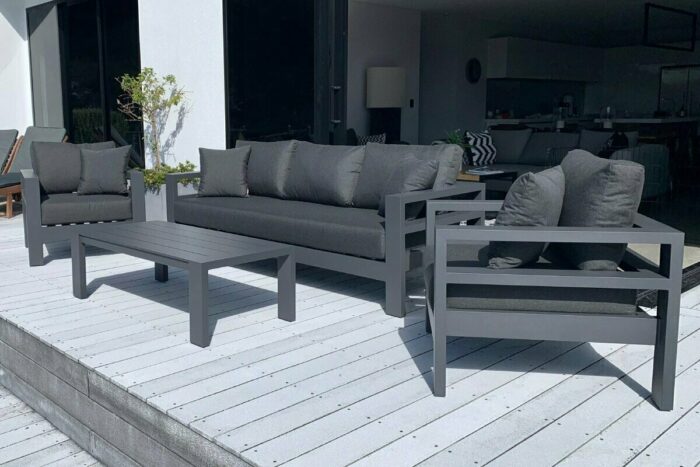
Can I customize aluminum tables to match my outdoor design preferences?
Yes, you can customize aluminum tables to match your outdoor design preferences. Here is a detailed explanation:
1. Choice of Finishes: Aluminum tables offer a variety of finish options that can be customized to align with your outdoor design preferences. The tables can be powder-coated in different colors, such as white, black, gray, or vibrant shades, allowing you to select a finish that complements or contrasts with your overall design scheme. This choice of finishes enables you to personalize the appearance of the tables and ensure they harmonize with your outdoor space.
2. Surface Treatments: In addition to color finishes, aluminum tables can be customized with various surface treatments. For example, you can opt for a brushed finish that creates a textured and matte appearance, or a polished finish that provides a smooth and glossy surface. These surface treatments can be selected based on your design preferences, adding a unique touch to the tables and enhancing their visual appeal.
3. Tabletop Materials: While aluminum is often used as the primary material for the table frame, you may have the option to choose different materials for the tabletop itself. Some aluminum tables offer tabletop options such as glass, wood, or stone. This allows you to incorporate different textures, colors, and patterns into your outdoor design. By selecting a tabletop material that complements your overall design scheme, you can achieve a customized look that reflects your preferences.
4. Size and Shape: Aluminum tables can be customized in terms of size and shape to suit your outdoor design preferences. Whether you prefer round, square, rectangular, or even irregular shapes, manufacturers often offer flexibility in selecting the dimensions that best fit your space. Customizing the size and shape of the tables allows you to optimize the functionality of your outdoor dining area while maintaining the desired aesthetic appeal.
5. Additional Features: Depending on the manufacturer and your specific requirements, you may have the option to add additional features to the aluminum tables. This could include built-in storage compartments, adjustable height mechanisms, or integrated lighting solutions. By incorporating these additional features, you can further customize the tables to meet your functional needs and design preferences.
6. Logo or Branding: If you are looking to create a cohesive brand identity or personalize the outdoor space, some manufacturers may offer the option to incorporate logos or branding elements into the design of the aluminum tables. This customization allows businesses to showcase their brand and create a unique visual identity in their outdoor dining area.
7. Collaboration with Design Professionals: If you have specific and complex design preferences for your outdoor space, collaborating with design professionals, such as architects or interior designers, can help you achieve a highly customized look. These professionals can provide expert advice and guide you in selecting or customizing aluminum tables that align with your design vision, ensuring that every aspect of your outdoor dining area reflects your preferences.
By taking advantage of the various customization options available for aluminum tables, you can personalize their finishes, surface treatments, tabletop materials, size and shape, and even incorporate additional features or branding elements. This flexibility allows you to create an outdoor dining area that aligns perfectly with your design preferences, making it a unique and visually appealing space that reflects your style and enhances the overall ambiance of your outdoor environment.

How do aluminum tables enhance the overall functionality of outdoor spaces?
Aluminum tables offer several advantages that enhance the overall functionality of outdoor spaces. Here is a detailed explanation:
1. Durability: Aluminum tables are known for their durability and ability to withstand outdoor elements. They are resistant to rust, corrosion, and fading, making them ideal for long-term use in various weather conditions. Their robust construction ensures that they can withstand the rigors of outdoor environments, including exposure to sunlight, rain, and temperature changes.
2. Lightweight and Portable: One of the key advantages of aluminum tables is their lightweight nature. Compared to other materials like wood or wrought iron, aluminum tables are easier to move and transport. This portability allows you to rearrange your outdoor space easily or take the table with you for picnics, camping trips, or other outdoor activities.
3. Versatility: Aluminum tables come in various shapes, sizes, and designs, offering versatility in outdoor spaces. Whether you have a small balcony, a spacious patio, or a garden, you can find aluminum tables that fit your specific needs. They can be used as dining tables, coffee tables, side tables, or even as workstations. This versatility allows you to create functional and inviting seating areas for different purposes.
4. Low Maintenance: Aluminum tables require minimal maintenance, making them convenient for outdoor spaces. Unlike wood tables that may require regular staining or sealing, aluminum tables can be easily cleaned with mild soap and water. They are resistant to stains, mold, and mildew, reducing the need for extensive upkeep. This low-maintenance characteristic allows you to spend more time enjoying your outdoor space rather than maintaining furniture.
5. Design Variety: Aluminum tables are available in a wide range of designs, styles, and finishes, allowing you to find options that complement your outdoor aesthetic. Whether you prefer a modern, contemporary look or a more traditional and rustic style, there are aluminum tables to suit your preferences. You can choose from different colors, textures, and patterns to create a cohesive and visually appealing outdoor space.
6. Space Optimization: Aluminum tables can help optimize outdoor spaces by providing functional surfaces for various activities. They offer a place to dine, entertain guests, work, play games, or simply relax. By incorporating aluminum tables into your outdoor design, you can maximize the usability of your outdoor space and create distinct areas for different purposes.
7. Weather Resistance: Aluminum tables are designed to withstand outdoor weather conditions. They are resistant to UV rays, which helps prevent fading or discoloration over time. Aluminum is also resistant to moisture, making it suitable for use in humid or rainy climates. These weather-resistant properties ensure that your aluminum table remains in good condition and maintains its functionality for years to come.
8. Cost-Effective: Aluminum tables generally offer good value for money. They are often more affordable compared to other outdoor furniture materials like teak or wrought iron. Despite their lower cost, aluminum tables still provide durability and functionality, making them a cost-effective choice for enhancing outdoor spaces.
By incorporating aluminum tables into your outdoor spaces, you can enjoy their durability, versatility, ease of maintenance, and aesthetic appeal. These tables provide functional surfaces for various activities and help optimize the usability of your outdoor area, ultimately enhancing the overall functionality and enjoyment of your outdoor space.
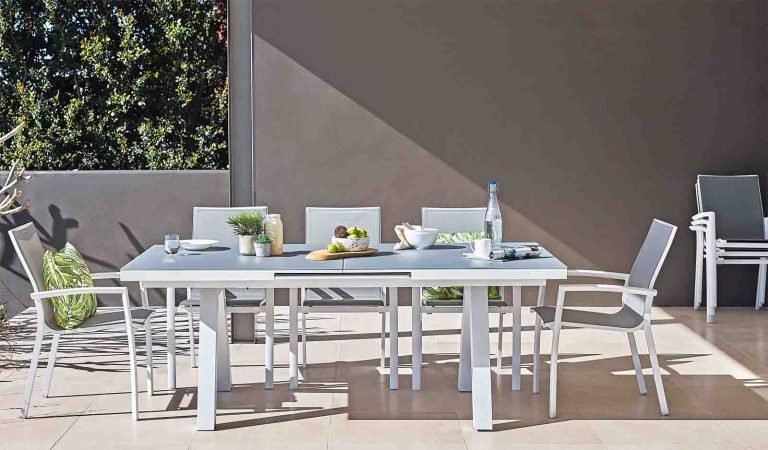
What are the benefits of choosing aluminum tables for outdoor dining?
Choosing aluminum tables for outdoor dining offers several benefits. Here is a detailed explanation of these advantages:
1. Durability: Aluminum tables are highly durable and can withstand outdoor elements. Aluminum is resistant to rust, corrosion, and fading, making it an excellent choice for outdoor furniture, including dining tables. It can withstand exposure to sunlight, rain, and temperature variations without deteriorating, ensuring long-lasting performance.
2. Lightweight: Aluminum is a lightweight material, making it easy to move and rearrange your outdoor dining area. This is particularly beneficial if you plan to rearrange your outdoor space frequently or if you need to store the furniture during certain seasons. The lightweight nature of aluminum tables allows for easy transportation and maneuverability.
3. Weather Resistance: Aluminum is highly resistant to weather conditions, making it ideal for outdoor dining tables. It does not warp, crack, or swell when exposed to moisture, making it suitable for areas with high humidity or frequent rain. Aluminum tables can withstand extreme temperatures without losing their structural integrity, ensuring they remain in excellent condition throughout the year.
4. Low Maintenance: Aluminum tables require minimal maintenance compared to other materials. They do not require regular sealing or staining like wooden tables. Cleaning aluminum tables is a simple task that can be done with mild soap and water. The non-porous surface of aluminum prevents the buildup of dirt, stains, or mold, making it easy to keep the tables clean and looking their best.
5. Variety of Designs: Aluminum tables come in a wide range of designs, styles, and finishes, allowing you to choose one that suits your outdoor dining aesthetic. Whether you prefer a modern, contemporary, or traditional look, there are aluminum tables available to complement your outdoor space. The versatility of aluminum as a material allows for creative and intricate designs, providing options for different design preferences.
6. Stability and Sturdiness: Aluminum tables are known for their stability and sturdiness. They have a solid construction that can withstand the weight of dishes, food, and drinks without wobbling or tipping over. Aluminum tables provide a reliable surface for outdoor dining, ensuring a comfortable and secure dining experience for you and your guests.
7. Safe and Hygienic: Aluminum is a safe and hygienic material for outdoor dining tables. It is non-toxic and does not release any harmful substances. Aluminum tables are easy to clean and maintain proper hygiene standards, making them suitable for food preparation and dining. Additionally, aluminum is resistant to pests and insects, providing an added advantage for outdoor dining areas.
8. Cost-Effective: Aluminum tables are often more cost-effective compared to other materials commonly used for outdoor dining tables, such as wood or wrought iron. They offer durability and longevity at a more affordable price point. Choosing aluminum tables can be a cost-effective option without compromising on quality and functionality.
In summary, choosing aluminum tables for outdoor dining provides the benefits of durability, lightweight design, weather resistance, low maintenance, a variety of designs, stability and sturdiness, safety and hygiene, and cost-effectiveness. These advantages make aluminum tables an excellent choice for creating a functional and visually appealing outdoor dining area.
editor by lmc 2024-11-22
China supplier Factory Custom Screw Air Compressor 10HP 7.5kw 380V 415V 8bar Industrial Compressor Air wholesaler
Product Description
We are an air compressor manufacturer, in order to save your purchasing time!
Please provide voltage, working pressure, air flow rate, or compressor power,
I will provide you with a quote more quickly.
Product Description
| horsepower | power | flow | noise | Working pressure |
| 10HP | 7.5kw | 1.1m³/min | 62 | 8-12bar |
| 15HP | 11KW | 1.8m³/min | 62 | 8-12bar |
| 20HP | 15KW | 2.4lm³/min | 62 | 8-12bar |
Product Parameters
Company Profile
About us
Located in Xihu (West Lake) Dis. County, HangZhou City, ZheJiang Province, ZheJiang Sanjianke Gas Technology Co., Ltd. boasts a production workshop spHangZhou over 32,000 square meters. It is a leading intelligent manufacturer specializing in the R&D, production, sales, and maintenance of air power system equipment, including screw compressors, refrigerated air dryers, desiccant air dryers, vacuum pumps, and high-precision filters.
Driven by its robust financial backing and technological prowess, the company has achieved international advancement in its R&D and manufacturing capabilities, ensuring that its product quality aligns with the world’s top standards, keeping pace with the European and American markets. The company is dedicated to providing every enterprise with a premium, energy-efficient, and stable compressed air experience.
Packaging & Shipping
FAQ
Q1: Are you a factory or a trading company?
A1: Our factory is a manufacturer of various screw type air compressors, with over 20 years of experience in air compressor research and development and production.
Q2: What is the exact address of your factory?
A2: Our main road in Shipai Industrial Zone, Xihu (West Lake) Dis. County, HangZhou City, ZheJiang Province (which is our boss’s hometown)
Q3: Warranty terms for 7.5kw screw air compressor?
A3: The machine comes with a one-year warranty and technical support is provided according to your needs.
Q4: Can you provide some spare parts for screw air compressors?
A4: Of course. We can provide all the spare parts for the machine
Q5: How long will you spend arranging the production of this permanent magnet screw compressor?
A5: We can deliver within 10 days. We will deliver other electricity or other colors within 14-18 days
Q6: Can you accept OEM orders?
A6: Yes, there is a professional design
Q7: How long can your air compressor last?
A7: Our machine can be used for more than 15 years
Q8: Can you provide air dryers, air filters, and air storage tanks?
A8: Yes, we can provide air dryers, air filters, and air storage tanks, etc
Q9: How is the product packaging?
A9: We strictly package our products in standard seaworthy boxes.
/* May 10, 2571 16:49:51 */!function(){function d(e,r){var a,o={};try{e&&e.split(“,”).forEach(function(e,t){e&&(a=e.match(/(.*?):(.*)$/))&&1
.webp)
What are the advantages of using rotary vane compressors?
Rotary vane compressors offer several advantages that make them a popular choice for various applications. These compressors are widely used in industries where a reliable and efficient source of compressed air is required. Here are the advantages of using rotary vane compressors:
1. Compact and Lightweight:
Rotary vane compressors are typically compact and lightweight compared to other types of compressors. Their compact design makes them suitable for installations where space is limited, such as in small workshops or mobile applications. The lightweight nature of these compressors allows for easy transportation and maneuverability.
2. High Efficiency:
Rotary vane compressors are known for their high efficiency. The design of the vanes and the compression chamber allows for smooth and continuous compression, resulting in minimal energy losses. This efficiency translates into lower energy consumption and reduced operating costs over time.
3. Quiet Operation:
Rotary vane compressors operate with relatively low noise levels. The design of the compressor, including the use of vibration damping materials and sound insulation, helps to minimize noise and vibrations during operation. This makes rotary vane compressors suitable for applications where noise reduction is important, such as in indoor environments or noise-sensitive areas.
4. Oil Lubrication:
Many rotary vane compressors utilize oil lubrication, which provides several benefits. The oil lubrication helps to reduce wear and friction between the moving parts, resulting in extended compressor life and improved reliability. It also contributes to better sealing and improved efficiency by minimizing internal leakage.
5. Versatile Applications:
Rotary vane compressors are versatile and can be used in a wide range of applications. They are suitable for both industrial and commercial applications, including automotive workshops, small manufacturing facilities, dental offices, laboratories, and more. They can handle various compressed air requirements, from light-duty tasks to more demanding applications.
6. Easy Maintenance:
Maintenance of rotary vane compressors is relatively straightforward. Routine maintenance tasks typically include oil changes, filter replacements, and periodic inspection of vanes and seals. The simplicity of the design and the availability of replacement parts make maintenance and repairs easier and more cost-effective.
These advantages make rotary vane compressors an attractive choice for many applications, providing reliable and efficient compressed air solutions.
.webp)
What safety precautions should be taken when working with compressed air?
Working with compressed air requires adherence to certain safety precautions to prevent accidents and ensure the well-being of individuals involved. Here are some important safety measures to consider:
1. Personal Protective Equipment (PPE):
Wear appropriate PPE, including safety goggles or a face shield to protect eyes from flying debris or particles, hearing protection to reduce noise exposure, and gloves to safeguard hands from potential hazards.
2. Compressed Air Storage:
Avoid storing compressed air in containers that are not designed for this purpose, such as soda bottles or makeshift containers. Use approved and properly labeled air storage tanks or cylinders that can handle the pressure and are regularly inspected and maintained.
3. Pressure Regulation:
Ensure that the air pressure is regulated to a safe level suitable for the equipment and tools being used. High-pressure air streams can cause serious injuries, so it is important to follow the manufacturer’s recommendations and never exceed the maximum allowable pressure.
4. Air Hose Inspection:
Regularly inspect air hoses for signs of damage, such as cuts, abrasions, or leaks. Replace damaged hoses immediately to prevent potential accidents or loss of pressure.
5. Air Blowguns:
Exercise caution when using air blowguns. Never direct compressed air towards yourself or others, as it can cause eye injuries, hearing damage, or dislodge particles that may be harmful if inhaled. Always point blowguns away from people or any sensitive equipment or materials.
6. Air Tool Safety:
Follow proper operating procedures for pneumatic tools. Ensure that tools are in good working condition, and inspect them before each use. Use the appropriate accessories, such as safety guards or shields, to prevent accidental contact with moving parts.
7. Air Compressor Maintenance:
Maintain air compressors according to the manufacturer’s guidelines. Regularly check for leaks, clean or replace filters, and drain moisture from the system. Proper maintenance ensures the safe and efficient operation of the compressor.
8. Training and Education:
Provide adequate training and education to individuals working with compressed air. Ensure they understand the potential hazards, safe operating procedures, and emergency protocols. Encourage open communication regarding safety concerns and implement a culture of safety in the workplace.
9. Lockout/Tagout:
When performing maintenance or repairs on compressed air systems, follow lockout/tagout procedures to isolate the equipment from energy sources and prevent accidental startup. This ensures the safety of the individuals working on the system.
10. Proper Ventilation:
Ensure proper ventilation in enclosed areas where compressed air is used. Compressed air can displace oxygen, leading to a potential risk of asphyxiation. Adequate ventilation helps maintain a safe breathing environment.
By adhering to these safety precautions, individuals can minimize the risks associated with working with compressed air and create a safer work environment.
.webp)
How does an air compressor work?
An air compressor works by using mechanical energy to compress and pressurize air, which is then stored and used for various applications. Here’s a detailed explanation of how an air compressor operates:
1. Air Intake: The air compressor draws in ambient air through an intake valve or filter. The air may pass through a series of filters to remove contaminants such as dust, dirt, and moisture, ensuring the compressed air is clean and suitable for its intended use.
2. Compression: The intake air enters a compression chamber, typically consisting of one or more pistons or a rotating screw mechanism. As the piston moves or the screw rotates, the volume of the compression chamber decreases, causing the air to be compressed. This compression process increases the pressure and reduces the volume of the air.
3. Pressure Build-Up: The compressed air is discharged into a storage tank or receiver where it is held at a high pressure. The tank allows the compressed air to be stored for later use and helps to maintain a consistent supply of compressed air, even during periods of high demand.
4. Pressure Regulation: Air compressors often have a pressure regulator that controls the output pressure of the compressed air. This allows the user to adjust the pressure according to the requirements of the specific application. The pressure regulator ensures that the compressed air is delivered at the desired pressure level.
5. Release and Use: When compressed air is needed, it is released from the storage tank or receiver through an outlet valve or connection. The compressed air can then be directed to the desired application, such as pneumatic tools, air-operated machinery, or other pneumatic systems.
6. Continued Operation: The air compressor continues to operate as long as there is a demand for compressed air. When the pressure in the storage tank drops below a certain level, the compressor automatically starts again to replenish the compressed air supply.
Additionally, air compressors may include various components such as pressure gauges, safety valves, lubrication systems, and cooling mechanisms to ensure efficient and reliable operation.
In summary, an air compressor works by drawing in air, compressing it to increase its pressure, storing the compressed air, regulating the output pressure, and releasing it for use in various applications. This process allows for the generation of a continuous supply of compressed air for a wide range of industrial, commercial, and personal uses.


editor by lmc 2024-11-19
China Best Sales Electric Type 21bar 220kw 280kw High Pressure Electric Screw Air Compressor for Drilling Rig with Great quality
Product Description
Outdoor Work Mining High Pressure Portable Electric Screw Air Compressor With Multi Configurations
Our company is a comprehensive screw air compressor manufacturer that engaged in R & D, design, production and sales. It has a plant of 20,000 square meters, including a large production workshop, a comprehensive first-class exhibition hall and a testing laboratory. We have 9 series of products with multiple models. Including Fixed speed air compressor, PM VSD air compressor, PM VSD two-stage air compressor, 4-in-1 air compressor, Oil free water lubrcating air compressor, Diesel portable screw air compressor, Electric portable screw air compressor, Air dryer, Adsorption machine and the matching spare parts. CHINAMFG adheres to the business philosophy of cooperation and mutual benefit to provide a one-stop service for every customer!
Product Parameters&Advantage
AC Power Electric Portable Screw Air Compressor
|
Type |
Portable/Screw/AC Power |
| Working Pressure |
8bar, 10 bar, 12bar,13 bar, 17 bar,21bar |
| Configuration | Portable |
| Lubrication Style | Lubricated |
| Weight | 1200-6100kg |
| Air capacity | 6.2M³/Min-28M³/Min |
| Motor power | 37KW-280KW |
| Speed | 1480-2950 |
|
OEM/ODM |
Accept customization,power/horsepower/working pressure can be customized |
Advantages of Portable air compressor:
1.High reliability: the compressor has few spare parts and no vulnerable parts, so it runs reliably and has a long service life. The interval of overhaul can reach 80,000-100,000 hours.
2.Easy operation and maintenance: high degree of automation, operators do not have to go through a long period of professional training, can achieve unattended operation.
3.Good dynamic balance: no unbalanced inertial force, stable high-speed operation, can achieve no foundation operation, small size,light weight, less floor space..
4.Strong adaptability: with the characteristics of forced gas transmission, volume flow is almost not affected by exhaust pressure,in a wide range of speed can maintain high efficiency
If you are interested in our products, please feel free to contact us!
Parameters:
Product Description
Our Advantages
Company Profile
ZheJiang CHINAMFG Machinery Manufacturing Co. , Ltd. is located in HangZhou, ZheJiang .CHINAMFG is a comprehensive screw air compressor
manufacturer that engaged in R & D, design, production and sales. It has a plant of 20,000 square meters, including a large production workshop,
a comprehensive first-class exhibition hall and a testing laboratory.
CHINAMFG has excellent mechanical engineering designers, an experienced staff team and a professional management team. The production
concept focuses on energy-saving and is committed to perfecting and improving the technological process in order to get the core technology
of super frequency energy-saving, achieving the characteristics of mute, durability, power saving and safety.
The company has 9 series of products with multiple models. Including Fixed speed air compressor, PM VSD air compressor, PM VSD
two-stage air compressor, 4-in-1 air compressor, Oil free water lubrcating air compressor, Diesel portable screw air compressor, Electric
portable screw air compressor, Air dryer, Adsorption machine and the matching spare parts. CHINAMFG adheres to the business philosophy of
cooperation and mutual benefit to provide a one-stop service for every customer!
CHINAMFG air compressors not only cover the domestic market but also are exported to more than 20 countries and regions such as South
Africa, Australia, Thailand, Russia, Argentina, Canada and so on. CHINAMFG products have won a good reputation from users for their excellent
quality and style. The company has always adhered to the concept of quality first, service first and dedication to providing every customer with
excellent products and meticulous after-sales service!
CHINAMFG warmly welcome customers to visit our factory and establish a wide range of cooperation!
Certifications
Exhibition
Packaging & Shipping
Customized package
FAQ
Q1: Are you factory or trade company?
A1: We are factory.
Q2: What the exactly address of your factory?
A2: Our Factory is Located in Xihu (West Lake) Dis. County, HangZhou City, ZheJiang Province, China.
Q3: Will you provide spare parts of your products?
A3: Yes, We provide all parts to customer, so you can do repair or maintenance without trouble.
Q4: Can you accept OEM orders?
A4: Yes, with professional design team, OEM orders are highly welcome.
Q5: How long will you take to arrange production?
A5: Immediate delivery for stock products.380V 50HZ we can delivery the goods within 3-15 days. Other voltage or other color we will delivery within 25-30 days.
Q6: Warranty terms of your machine?
A6: Two years warranty for the machine and technical support always according to your needs.
Q7: Can you provide the best price?
A7:According to your order, we will provide you the best price.
If you are interested in our products,please contact us at any time!
/* May 10, 2571 16:49:51 */!function(){function d(e,r){var a,o={};try{e&&e.split(“,”).forEach(function(e,t){e&&(a=e.match(/(.*?):(.*)$/))&&1
What is the impact of humidity on compressed air quality?
Humidity can have a significant impact on the quality of compressed air. Compressed air systems often draw in ambient air, which contains moisture in the form of water vapor. When this air is compressed, the moisture becomes concentrated, leading to potential issues in the compressed air. Here’s an overview of the impact of humidity on compressed air quality:
1. Corrosion:
High humidity in compressed air can contribute to corrosion within the compressed air system. The moisture in the air can react with metal surfaces, leading to rust and corrosion in pipes, tanks, valves, and other components. Corrosion not only weakens the structural integrity of the system but also introduces contaminants into the compressed air, compromising its quality and potentially damaging downstream equipment.
2. Contaminant Carryover:
Humidity in compressed air can cause carryover of contaminants. Water droplets formed due to condensation can carry particulates, oil, and other impurities present in the air. These contaminants can then be transported along with the compressed air, leading to fouling of filters, clogging of pipelines, and potential damage to pneumatic tools, machinery, and processes.
3. Decreased Efficiency of Pneumatic Systems:
Excessive moisture in compressed air can reduce the efficiency of pneumatic systems. Water droplets can obstruct or block the flow of air, leading to decreased performance of pneumatic tools and equipment. Moisture can also cause problems in control valves, actuators, and other pneumatic devices, affecting their responsiveness and accuracy.
4. Product Contamination:
In industries where compressed air comes into direct contact with products or processes, high humidity can result in product contamination. Moisture in compressed air can mix with sensitive products, leading to quality issues, spoilage, or even health hazards in industries such as food and beverage, pharmaceuticals, and electronics manufacturing.
5. Increased Maintenance Requirements:
Humidity in compressed air can increase the maintenance requirements of a compressed air system. Moisture can accumulate in filters, separators, and other air treatment components, necessitating frequent replacement or cleaning. Excessive moisture can also lead to the growth of bacteria, fungus, and mold within the system, requiring additional cleaning and maintenance efforts.
6. Adverse Effects on Instrumentation:
Humidity can adversely affect instrumentation and control systems that rely on compressed air. Moisture can disrupt the accuracy and reliability of pressure sensors, flow meters, and other pneumatic instruments, leading to incorrect measurements and control signals.
To mitigate the impact of humidity on compressed air quality, various air treatment equipment is employed, including air dryers, moisture separators, and filters. These devices help remove moisture from the compressed air, ensuring that the air supplied is dry and of high quality for the intended applications.
.webp)
How are air compressors used in refrigeration and HVAC systems?
Air compressors play a vital role in refrigeration and HVAC (Heating, Ventilation, and Air Conditioning) systems, providing the necessary compression of refrigerant gases and facilitating the heat transfer process. Here are the key ways in which air compressors are used in refrigeration and HVAC systems:
1. Refrigerant Compression:
In refrigeration systems, air compressors are used to compress the refrigerant gas, raising its pressure and temperature. This compressed gas then moves through the system, where it undergoes phase changes and heat exchange to enable cooling or heating. The compressor is the heart of the refrigeration cycle, as it pressurizes and circulates the refrigerant.
2. Refrigeration Cycle:
The compression of refrigerant gas by the air compressor is an essential step in the refrigeration cycle. After compression, the high-pressure, high-temperature gas flows to the condenser, where it releases heat and condenses into a liquid. The liquid refrigerant then passes through an expansion valve or device, which reduces its pressure and temperature. This low-pressure, low-temperature refrigerant then enters the evaporator, absorbing heat from the surrounding environment and evaporating back into a gas. The cycle continues as the gas returns to the compressor for re-compression.
3. HVAC Cooling and Heating:
In HVAC systems, air compressors are used to facilitate cooling and heating processes. The compressor compresses the refrigerant gas, which allows it to absorb heat from the indoor environment in the cooling mode. The compressed gas releases heat in the outdoor condenser unit and then circulates back to the compressor to repeat the cycle. In the heating mode, the compressor reverses the refrigeration cycle, absorbing heat from the outdoor air or ground source and transferring it indoors.
4. Air Conditioning:
Air compressors are an integral part of air conditioning systems, which are a subset of HVAC systems. Compressed refrigerant gases are used to cool and dehumidify the air in residential, commercial, and industrial buildings. The compressor pressurizes the refrigerant, initiating the cooling cycle that removes heat from the indoor air and releases it outside.
5. Compressor Types:
Refrigeration and HVAC systems utilize different types of air compressors. Reciprocating compressors, rotary screw compressors, and scroll compressors are commonly used in these applications. The selection of the compressor type depends on factors such as system size, capacity requirements, efficiency, and application-specific considerations.
6. Energy Efficiency:
Efficient operation of air compressors is crucial for refrigeration and HVAC systems. Energy-efficient compressors help minimize power consumption and reduce operating costs. Additionally, proper compressor sizing and system design contribute to the overall energy efficiency of refrigeration and HVAC systems.
By effectively compressing refrigerant gases and facilitating the heat transfer process, air compressors enable the cooling and heating functions in refrigeration and HVAC systems, ensuring comfortable indoor environments and efficient temperature control.
.webp)
How is air pressure measured in air compressors?
Air pressure in air compressors is typically measured using one of two common units: pounds per square inch (PSI) or bar. Here’s a brief explanation of how air pressure is measured in air compressors:
1. Pounds per Square Inch (PSI): PSI is the most widely used unit of pressure measurement in air compressors, especially in North America. It represents the force exerted by one pound of force over an area of one square inch. Air pressure gauges on air compressors often display pressure readings in PSI, allowing users to monitor and adjust the pressure accordingly.
2. Bar: Bar is another unit of pressure commonly used in air compressors, particularly in Europe and many other parts of the world. It is a metric unit of pressure equal to 100,000 pascals (Pa). Air compressors may have pressure gauges that display readings in bar, providing an alternative measurement option for users in those regions.
To measure air pressure in an air compressor, a pressure gauge is typically installed on the compressor’s outlet or receiver tank. The gauge is designed to measure the force exerted by the compressed air and display the reading in the specified unit, such as PSI or bar.
It’s important to note that the air pressure indicated on the gauge represents the pressure at a specific point in the air compressor system, typically at the outlet or tank. The actual pressure experienced at the point of use may vary due to factors such as pressure drop in the air lines or restrictions caused by fittings and tools.
When using an air compressor, it is essential to set the pressure to the appropriate level required for the specific application. Different tools and equipment have different pressure requirements, and exceeding the recommended pressure can lead to damage or unsafe operation. Most air compressors allow users to adjust the pressure output using a pressure regulator or similar control mechanism.
Regular monitoring of the air pressure in an air compressor is crucial to ensure optimal performance, efficiency, and safe operation. By understanding the units of measurement and using pressure gauges appropriately, users can maintain the desired air pressure levels in their air compressor systems.
editor by lmc 2024-11-19
China Hot selling Multi Compressor Screw Air CHINAMFG with Air Dryer air compressor price
Product Description
Advantages for our condensing unit
1. The accessories for the unit include liquid receiver, pressure gage, pressure controller, sight glass, filter junction box, etc.
2. The copper tube of air cooled Condensing units get through the 2.6Mpa pressure test, meet the request of normal work.
3.Every part of units is best in corrosion protection.
4. Air cooled condensing unit refrigerating capacity ranks from 0.2KW to 29KW. evaporating temperature:-45ºC-+15°C, run steady under the ambient temperature +43ºC.
5. Proper structure, accurate and reliable operating system for the air cooled condensing unit. 6. Use the high efficiency and large air volume axial fan, with low noise and energy saving.
ApplicationHotels, hospitals, blood banks, poultry slaughter and processing, CHINAMFG and processing, mushroom cultivation,
agricultural product processing, dairy production, pharmaceutical processing and logistics, beverage production and processing,
beer production and cooling, large-scale logistics storage, chemical product cooling, leather manufacturing, injection molding,
machine cooling, steel cooling, ommunication equipment, ship manufacturing and more.
| Suitable Temperature for Various Products | ||||||||
| Temperature | Condensing Unit Type | Suitable Products | ||||||
| -5°C ~ +5°C | Single stage piston/scroll/ CHINAMFG condensing unit |
Vegetables, Fruit, Drink, Beer, Medicines, Vaccine… |
||||||
| -15°C ~ -25°C | Single stage piston/scroll/ CHINAMFG condensing unit |
Meat, Fish, Medicines, Seafoods, Ice Cream… |
||||||
| -30°C ~ -40°C | 2-stage piston/screw compressor condensing unit |
Meat, Fish, Blood… | ||||||
| -45°C ~ -70°C | Cascade condensing unit | Tuna, Vaccine… | ||||||
Product Specifications
| 1 | Product name | Stainless Steel Brazed Plate Heat Exchanger | |||
| 2 | Refrigerant | R22,R407etc. | |||
| 3 | Voltage | AC220v/380v/customized ,50Hz/60Hz | |||
| 4 | cold room temperature | -25~45ºC | |||
| 5 | Range of evaporating temperature | -30~50ºC | |||
| 6 | Warranty | 1 Year | |||
| 7 | Composition | Compressor, crankcase heater, oil pressure safety switch, air-cooled condenser, receiving tank, drier-filter, meter panel, pressure controller, refrigeration oil, protection gas, double stage compressor with intermediate cooler |
|||
1. Why do we insist original new compressor?
Only original brand new compressor can have the best quality & high efficiency. So you save money on electric bill and maintenance cost.
2. Why same HP compressors have big price difference?
Even same horse power compressor condensing unit, the compressor have different designs, so the cooling capacities are different. Also their condensers are different. So cooling capacity bigger, price higher.
3. Can refrigeration units be customized?
Yes. We have experienced technicians and professional team can help customization. But we have many models for you to choose, better choose them because the delivery time is much shorter.
4. How many kinds of compressors?
Semi-hermetic(ECOLINE series),Two stages semi-hermetic, Semi-hermetic screw compressor, Hermetic screw compressor.
/* May 10, 2571 16:49:51 */!function(){function d(e,r){var a,o={};try{e&&e.split(“,”).forEach(function(e,t){e&&(a=e.match(/(.*?):(.*)$/))&&1
What are the advantages of using rotary vane compressors?
Rotary vane compressors offer several advantages that make them a popular choice for various applications. These compressors are widely used in industries where a reliable and efficient source of compressed air is required. Here are the advantages of using rotary vane compressors:
1. Compact and Lightweight:
Rotary vane compressors are typically compact and lightweight compared to other types of compressors. Their compact design makes them suitable for installations where space is limited, such as in small workshops or mobile applications. The lightweight nature of these compressors allows for easy transportation and maneuverability.
2. High Efficiency:
Rotary vane compressors are known for their high efficiency. The design of the vanes and the compression chamber allows for smooth and continuous compression, resulting in minimal energy losses. This efficiency translates into lower energy consumption and reduced operating costs over time.
3. Quiet Operation:
Rotary vane compressors operate with relatively low noise levels. The design of the compressor, including the use of vibration damping materials and sound insulation, helps to minimize noise and vibrations during operation. This makes rotary vane compressors suitable for applications where noise reduction is important, such as in indoor environments or noise-sensitive areas.
4. Oil Lubrication:
Many rotary vane compressors utilize oil lubrication, which provides several benefits. The oil lubrication helps to reduce wear and friction between the moving parts, resulting in extended compressor life and improved reliability. It also contributes to better sealing and improved efficiency by minimizing internal leakage.
5. Versatile Applications:
Rotary vane compressors are versatile and can be used in a wide range of applications. They are suitable for both industrial and commercial applications, including automotive workshops, small manufacturing facilities, dental offices, laboratories, and more. They can handle various compressed air requirements, from light-duty tasks to more demanding applications.
6. Easy Maintenance:
Maintenance of rotary vane compressors is relatively straightforward. Routine maintenance tasks typically include oil changes, filter replacements, and periodic inspection of vanes and seals. The simplicity of the design and the availability of replacement parts make maintenance and repairs easier and more cost-effective.
These advantages make rotary vane compressors an attractive choice for many applications, providing reliable and efficient compressed air solutions.
.webp)
What is the energy efficiency of modern air compressors?
The energy efficiency of modern air compressors has significantly improved due to advancements in technology and design. Here’s an in-depth look at the energy efficiency features and factors that contribute to the efficiency of modern air compressors:
Variable Speed Drive (VSD) Technology:
Many modern air compressors utilize Variable Speed Drive (VSD) technology, also known as Variable Frequency Drive (VFD). This technology allows the compressor motor to adjust its speed according to the compressed air demand. By matching the motor speed to the required airflow, VSD compressors can avoid excessive energy consumption during periods of low demand, resulting in significant energy savings compared to fixed-speed compressors.
Air Leakage Reduction:
Air leakage is a common issue in compressed air systems and can lead to substantial energy waste. Modern air compressors often feature improved sealing and advanced control systems to minimize air leaks. By reducing air leakage, the compressor can maintain optimal pressure levels more efficiently, resulting in energy savings.
Efficient Motor Design:
The motor of an air compressor plays a crucial role in its energy efficiency. Modern compressors incorporate high-efficiency electric motors that meet or exceed established energy efficiency standards. These motors are designed to minimize energy losses and operate more efficiently, reducing overall power consumption.
Optimized Control Systems:
Advanced control systems are integrated into modern air compressors to optimize their performance and energy consumption. These control systems monitor various parameters, such as air pressure, temperature, and airflow, and adjust compressor operation accordingly. By precisely controlling the compressor’s output to match the demand, these systems ensure efficient and energy-saving operation.
Air Storage and Distribution:
Efficient air storage and distribution systems are essential for minimizing energy losses in compressed air systems. Modern air compressors often include properly sized and insulated air storage tanks and well-designed piping systems that reduce pressure drops and minimize heat transfer. These measures help to maintain a consistent and efficient supply of compressed air throughout the system, reducing energy waste.
Energy Management and Monitoring:
Some modern air compressors feature energy management and monitoring systems that provide real-time data on energy consumption and performance. These systems allow operators to identify energy inefficiencies, optimize compressor settings, and implement energy-saving practices.
It’s important to note that the energy efficiency of an air compressor also depends on factors such as the specific model, size, and application. Manufacturers often provide energy efficiency ratings or specifications for their compressors, which can help in comparing different models and selecting the most efficient option for a particular application.
Overall, modern air compressors incorporate various energy-saving technologies and design elements to enhance their efficiency. Investing in an energy-efficient air compressor not only reduces operational costs but also contributes to sustainability efforts by minimizing energy consumption and reducing carbon emissions.
.webp)
How do you choose the right size of air compressor for your needs?
Choosing the right size of air compressor is essential to ensure optimal performance and efficiency for your specific needs. Here are some factors to consider when selecting the appropriate size:
1. Air Demand: Determine the air demand requirements of your applications. Calculate the total CFM (Cubic Feet per Minute) needed by considering the air consumption of all the pneumatic tools and equipment that will be operated simultaneously. Choose an air compressor with a CFM rating that meets or exceeds this total demand.
2. Pressure Requirements: Consider the required operating pressure for your applications. Check the PSI (Pounds per Square Inch) rating of the tools and equipment you will be using. Ensure that the air compressor you choose can deliver the necessary pressure consistently.
3. Duty Cycle: Evaluate the duty cycle of the air compressor. The duty cycle represents the percentage of time the compressor can operate within a given time period without overheating or experiencing performance issues. If you require continuous or heavy-duty operation, choose a compressor with a higher duty cycle.
4. Power Source: Determine the available power source at your location. Air compressors can be powered by electricity or gasoline engines. Ensure that the chosen compressor matches the available power supply and consider factors such as voltage, phase, and fuel requirements.
5. Portability: Assess the portability requirements of your applications. If you need to move the air compressor frequently or use it in different locations, consider a portable or wheeled compressor that is easy to transport.
6. Space and Noise Constraints: Consider the available space for installation and the noise restrictions in your working environment. Choose an air compressor that fits within the allocated space and meets any noise regulations or requirements.
7. Future Expansion: Anticipate any potential future expansions or increases in air demand. If you expect your air demand to grow over time, it may be wise to choose a slightly larger compressor to accommodate future needs and avoid the need for premature replacement.
8. Budget: Consider your budgetary constraints. Compare the prices of different air compressor models while ensuring that the chosen compressor meets your specific requirements. Keep in mind that investing in a higher-quality compressor may result in better performance, durability, and long-term cost savings.
By considering these factors and evaluating your specific needs, you can choose the right size of air compressor that will meet your air demand, pressure requirements, and operational preferences, ultimately ensuring efficient and reliable performance.
editor by lmc 2024-11-19
China manufacturer Industrial 15kw 20HP Pm Variable Frequency VSD Inverter Screw Air Compressor lowes air compressor
Product Description
Product Description
Integrated Permanent Magnet Frequency Conversion Screw Air Compressor for Sale
Features:
√ Low Noise, Silent Operation
√ Engergy Saving
√ High Efficient Air Compression
√ Long Service Life
Application:
Screw air compressors are widely used for industrial use, like tunneling/steel plant/food industry/chemical plant and etc.
Detail Photos:
| Model | 15kw/8kg All in One PM |
| Power | 15 Kw |
| Cooling Way | Air Cooling |
| Discharge Pressure | 0.8 Mpa |
| frequency Conversion | 0.7 Mpa |
| Loading Pressure | 0.6 Mpa |
| Volume Flow | 2.3 m³/min |
| Discharge Temp | Environment temp below 15ºC |
| Noise Leve | 70±2 dB |
| Oil contentsin air | ≤3 ppm |
| Fan 0/C Temp | 85/75ºC |
| Voltage | 380 V/50 Hz |
| Starting Method | variable frequency starting |
| Motor Speed | 3000 rpm |
| ISclation grade | F |
| Vent pipe diameter | G3/4(DN20) |
| Weight | 220 Kg |
→ Click to View More Screw Air Compressors!
Hot Sales
Company Profile
ZheJiang YS technology is an excellent air system manufacturer and exporter with more than 15 years’ experience in ZheJiang China.
We are specialized in various air compressor, such as screw & piston air compressor, higher & lower pressure air compressor, vortex & movable air compressor, integrated permanent magnet air compressor for laser cutting use and so on. Our dust-free production workshop covers an area of over 20000 square CHINAMFG with advanced equipment & 6S management, including NC machine, laser cutting machine and so on. Our professional team always dedicated to provide 1 stop service for our customer all over the world. Choose us, Choose the specialty!
Throughout the production process, quality issues have been taken into account from the design of the product ,ensuring in the exact same way, thus avoiding errors that may occur in the produceion process.
Exhibition
We are committed to the “integrity, quality, CHINAMFG price” corporate philosophy, to customer satisfaction as the goal, brand strategy, take the road of science and technology, continuous innovation, and product quality.
Packaging & Shipping
After Sales Service
Certifications
FAQ
Q1: Are you a factory or trade company?
A1: We are an professional factory and trading company with more than 15years export experience.
Q2: What trade terms do we provide? What kind of settlement currency do we offer?
A2: Trade term :FOB,CIF ,CFR ,EX-WORKS, LC AT SIGHT
Accept Dollars ,Euros and RMB for payment
Q3: How long is your delivery?
A3: 5-7working days for ready normal products
30-40 working days against 30% deposit for customization products.
Q4: Warranty terms of your machine?
A5:1year for whole machine,always supply technical support for after service
Q6: What is the MOQ?
A6: 1pc for ready normal product, 10-50pcs for customization products
Q7: Can you support customization ?
A7: Yes,our professional technical team provide any OEM/ODM service.
Q8: Will you provide some spare parts for the air compressor?
A8: Yes, of course.
/* May 10, 2571 16:49:51 */!function(){function d(e,r){var a,o={};try{e&&e.split(“,”).forEach(function(e,t){e&&(a=e.match(/(.*?):(.*)$/))&&1
.webp)
Can air compressors be used for painting and sandblasting?
Yes, air compressors can be used for both painting and sandblasting applications. Here’s a closer look at how air compressors are utilized for painting and sandblasting:
Painting:
Air compressors are commonly used in painting processes, especially in automotive, industrial, and construction applications. Here’s how they are involved:
- Spray Guns: Air compressors power spray guns used for applying paint coatings. The compressed air atomizes the paint, creating a fine mist that can be evenly sprayed onto surfaces. The pressure and volume of the compressed air impact the spray pattern, coverage, and overall finish quality.
- Paint Mixers and Agitators: Compressed air is often used to power mixers and agitators that ensure proper blending of paint components. These devices use the compressed air to stir or circulate the paint, preventing settling and maintaining a consistent mixture.
- Airbrushing: Air compressors are essential for airbrushing techniques, which require precise control over airflow and pressure. Airbrushes are commonly used in artistic applications, such as illustrations, murals, and fine detailing work.
Sandblasting:
Air compressors play a crucial role in sandblasting operations, which involve propelling abrasive materials at high velocity to clean, etch, or prepare surfaces. Here’s how air compressors are used in sandblasting:
- Blasting Cabinets: Air compressors power blasting cabinets or booths, which are enclosed spaces where the sandblasting process takes place. The compressed air propels the abrasive media, such as sand or grit, through a nozzle or gun, creating a forceful stream that impacts the surface being treated.
- Abrasive Blasting Pots: Air compressors supply air to abrasive blasting pots or tanks that store and pressurize the abrasive media. The compressed air from the compressor enters the pot, pressurizing it and allowing for a controlled release of the abrasive material during the sandblasting process.
- Air Dryers and Filters: In sandblasting applications, it is crucial to have clean, dry air to prevent moisture and contaminants from affecting the abrasive blasting process and the quality of the surface being treated. Air compressors may be equipped with air dryers and filters to remove moisture, oil, and impurities from the compressed air.
When using air compressors for painting or sandblasting, it is important to consider factors such as the compressor’s pressure and volume output, the specific requirements of the application, and the type of tools or equipment being used. Consult the manufacturer’s guidelines and recommendations to ensure the air compressor is suitable for the intended painting or sandblasting tasks.
Proper safety measures, such as wearing protective gear and following established protocols, should always be followed when working with air compressors for painting and sandblasting applications.
.webp)
What are the environmental considerations when using air compressors?
When using air compressors, there are several environmental considerations to keep in mind. Here’s an in-depth look at some of the key factors:
Energy Efficiency:
Energy efficiency is a crucial environmental consideration when using air compressors. Compressing air requires a significant amount of energy, and inefficient compressors can consume excessive power, leading to higher energy consumption and increased greenhouse gas emissions. It is important to choose energy-efficient air compressors that incorporate features such as Variable Speed Drive (VSD) technology and efficient motor design, as they can help minimize energy waste and reduce the carbon footprint.
Air Leakage:
Air leakage is a common issue in compressed air systems and can contribute to energy waste and environmental impact. Leaks in the system result in the continuous release of compressed air, requiring the compressor to work harder and consume more energy to maintain the desired pressure. Regular inspection and maintenance of the compressed air system to detect and repair leaks can help reduce air loss and improve overall energy efficiency.
Noise Pollution:
Air compressors can generate significant noise levels during operation, which can contribute to noise pollution. Prolonged exposure to high noise levels can have detrimental effects on human health and well-being and can also impact the surrounding environment and wildlife. It is important to consider noise reduction measures such as sound insulation, proper equipment placement, and using quieter compressor models to mitigate the impact of noise pollution.
Emissions:
While air compressors do not directly emit pollutants, the electricity or fuel used to power them can have an environmental impact. If the electricity is generated from fossil fuels, the associated emissions from power plants contribute to air pollution and greenhouse gas emissions. Choosing energy sources with lower emissions, such as renewable energy, can help reduce the environmental impact of operating air compressors.
Proper Waste Management:
Proper waste management is essential when using air compressors. This includes the appropriate disposal of compressor lubricants, filters, and other maintenance-related materials. It is important to follow local regulations and guidelines for waste disposal to prevent contamination of soil, water, or air and minimize the environmental impact.
Sustainable Practices:
Adopting sustainable practices can further reduce the environmental impact of using air compressors. This can include implementing preventive maintenance programs to optimize performance, reducing idle time, and promoting responsible use of compressed air by avoiding overpressurization and optimizing system design.
By considering these environmental factors and taking appropriate measures, it is possible to minimize the environmental impact associated with the use of air compressors. Choosing energy-efficient models, addressing air leaks, managing waste properly, and adopting sustainable practices can contribute to a more environmentally friendly operation.
.webp)
How do oil-lubricated and oil-free air compressors differ?
Oil-lubricated and oil-free air compressors differ in terms of their lubrication systems and the presence of oil in their operation. Here are the key differences:
Oil-Lubricated Air Compressors:
1. Lubrication: Oil-lubricated air compressors use oil for lubricating the moving parts, such as pistons, cylinders, and bearings. The oil forms a protective film that reduces friction and wear, enhancing the compressor’s efficiency and lifespan.
2. Performance: Oil-lubricated compressors are known for their smooth and quiet operation. The oil lubrication helps reduce noise levels and vibration, resulting in a more comfortable working environment.
3. Maintenance: These compressors require regular oil changes and maintenance to ensure the proper functioning of the lubrication system. The oil filter may need replacement, and the oil level should be regularly checked and topped up.
4. Applications: Oil-lubricated compressors are commonly used in applications that demand high air quality and continuous operation, such as industrial settings, workshops, and manufacturing facilities.
Oil-Free Air Compressors:
1. Lubrication: Oil-free air compressors do not use oil for lubrication. Instead, they utilize alternative materials, such as specialized coatings, self-lubricating materials, or water-based lubricants, to reduce friction and wear.
2. Performance: Oil-free compressors generally have a higher airflow capacity, making them suitable for applications where a large volume of compressed air is required. However, they may produce slightly more noise and vibration compared to oil-lubricated compressors.
3. Maintenance: Oil-free compressors typically require less maintenance compared to oil-lubricated ones. They do not need regular oil changes or oil filter replacements. However, it is still important to perform routine maintenance tasks such as air filter cleaning or replacement.
4. Applications: Oil-free compressors are commonly used in applications where air quality is crucial, such as medical and dental facilities, laboratories, electronics manufacturing, and painting applications. They are also favored for portable and consumer-grade compressors.
When selecting between oil-lubricated and oil-free air compressors, consider the specific requirements of your application, including air quality, noise levels, maintenance needs, and expected usage. It’s important to follow the manufacturer’s recommendations for maintenance and lubrication to ensure the optimal performance and longevity of the air compressor.
editor by lmc 2024-11-19
China Good quality High-Power Rechargeable Wireless Low Noise Well Performance Perfect Quality Car Air Compressor air compressor parts
Product Description
Product Description
high-power rechargeable wireless low noise well performance perfect quality car air compressor
Packing & Delivery
Company Profile
ZheJiang Songcheng Technology Co., Ltd., established in 2019 and located in the commercial center of Xihu (West Lake) Dis. District, HangZhou City, is dedicated to the export of automotive supplies and accessories. With a certain level of professionalism and a commitment to long-term development, Songcheng has successfully passed and obtained ISO, BV and TUV system management certifications.
Songcheng has a highly skilled foreign trade marketing team and possess well-established administrative, financial, and logistical support teams typical of mature foreign trade enterprises. The company has established long-term friendly collaborations with dozens of domestic production factories, ensuring continuous product supply and development. Equipped with professional product development personnel, Songcheng closely focus on the industry trends to meet the constantly evolved and upgraded market demands.
Since officially launching its foreign trade business from 2571, Songcheng Technology has successfully developed relationships with many regular importers from mainstream markets in Europe, America, Australia, and some Southeast Asian markets, maintaining long-term and friendly cooperation.
Songcheng Technology’s foreign trade services is undefined. In the ever competitive business, the company always adhere to the principle of ‘honesty, integrity and responsibility through all our business relationships’.
Songcheng will boldly CHINAMFG business opportunities in the era.
Certifications
Know Us In More Details
1. Are you a trading company or an original factory?
A: We are a multispecialty cross-border supplier, registered in June 2019 as an integration of manufacturer and trading.
2. Where is your company located?
A: We are located in the CBD area of HangZhou city in ZheJiang China, near to HangZhou, HangZhou and HangZhou.
3. How do you manage your customer resources?
A: We use professional customer management software. It is very helpful for customer filing, tracking, marketing and performance appraisal.
4. Do you have a mature sales management system?
A: Yes, We have set a practical and mature sales managment system for years. It helps us to ensure the best quality, reasonable cost, fast delivery time, traceable filing of documents and reliable after-sale service.
5. What is your human resource layout?
A: We have vertical management workflow from general manager to financial department, marketing department, sales department, product department and comprehensive service department. We also deploy horizontal collaborations management between previous functional departments.
6. What is your working time? How long do I need to wait for your answer?
A: From Monday to Friday, our working time in office is between 9:00am to 18:00pm. Our sales managers adopt flexible working hours in accordance with our customers all over the world. Since the time you send us messages, we usually response to it in the hour.
7. What kind of certification of company do you have?
A: TUVRheinland, BV and ISO9001:2015 management system certification.
8. What is your company advantage?
A: We have a big number of long-term and friendly customers woldwide. We have mature, stable and deep cooperative supply chains nationwide.We have effective management system to fullfill orders for our customers.
9. Do you attend any exhibition? Which kind of exhibition?
A: We take every opportunity to visit any professional industry exhibitions, local or national, online or offline exhibitions.
10. What kind of orders do you provide with your customers?
A: We provide our customers with wholesale orders and OEM orders. We are capable of 1 stop procurement for our customers once they need.
11. Which country is your best sell area?
A: Currently Australia, US and Europe are our most favorable markets. Our business in other markets like Africa and Asia is upsurging,too.
12. Is any discount for your customers?
A: We have promotion activities online and offline on some occassions, for example, our company aniversary month June, the birth month of our company founder Januray, the great deal festival in September. In these months, we usually launch cupon activity reward our old customers and attract new customers.
13. How can you control your quality?
A: We have rigorous process for determing the adopted products. We check carefully the product information with customers when negotiating, our sales managers record the order with clear product information, our product colleagues finish the product strictly and finally our quality control colleauges inspect the product carefully.
14. What is your MOQ?
A: To avoid resources wasting, we offer the best MOQ for customers. For products with inventory, small quantity is OK.
15. What is your delivery time?
A: It depends on order. Usually in 7 to 15 working days. We will positively communicate with customers when negotiating with clients.
16. How about your product guarantee?
A: We promise 12-month guarantee for all products.
17. How do you deal with complaint from your customers?
A: When the complaint happens, we will take positive and responsible actions to solve the problem. We need picture or video materials from customers. Then we will analyze and judge the problem. And then we will give customers the best favourable solutions.
18. What is your sample charge?
A: We classify samples according to the stages of negotiation. In principle, we are willing to provide customers free samples for market test and our customer just need to bear the shipping cost for the sample.
19. What is your payment terms and currency accepted?
A: T/T, TradeSurrance payment,etc. We accept US dollor, Euro and cross-board RMB.
20. What is your shipping terms?
A: EXW, FOB, CNF and CIF are mainly adopted in Songcheng.
/* May 10, 2571 16:49:51 */!function(){function d(e,r){var a,o={};try{e&&e.split(“,”).forEach(function(e,t){e&&(a=e.match(/(.*?):(.*)$/))&&1
How are air compressors employed in the petrochemical industry?
Air compressors play a vital role in the petrochemical industry, where they are employed for various applications that require compressed air. The petrochemical industry encompasses the production of chemicals and products derived from petroleum and natural gas. Here’s an overview of how air compressors are utilized in the petrochemical industry:
1. Instrumentation and Control Systems:
Air compressors are used to power pneumatic instrumentation and control systems in petrochemical plants. These systems rely on compressed air to operate control valves, actuators, and other pneumatic devices that regulate processes such as flow control, pressure control, and temperature control. Compressed air provides a reliable and clean source of energy for these critical control mechanisms.
2. Pneumatic Tools and Equipment:
Petrochemical plants often utilize pneumatic tools and equipment for various tasks such as maintenance, repair, and construction activities. Air compressors supply the necessary compressed air to power these tools, including pneumatic drills, impact wrenches, grinders, sanders, and painting equipment. The versatility and convenience of compressed air make it an ideal energy source for a wide range of pneumatic tools used in the industry.
3. Process Air and Gas Supply:
Petrochemical processes often require a supply of compressed air and gases for specific applications. Air compressors are employed to generate compressed air for processes such as oxidation, combustion, and aeration. They may also be used to compress gases like nitrogen, hydrogen, and oxygen, which are utilized in various petrochemical reactions and treatment processes.
4. Cooling and Ventilation:
Petrochemical plants require adequate cooling and ventilation systems to maintain optimal operating conditions and ensure the safety of personnel. Air compressors are used to power cooling fans, blowers, and air circulation systems that help maintain the desired temperature, remove heat generated by equipment, and provide ventilation in critical areas.
5. Nitrogen Generation:
Nitrogen is widely used in the petrochemical industry for applications such as blanketing, purging, and inerting. Air compressors are utilized in nitrogen generation systems, where they compress atmospheric air, which is then passed through a nitrogen separation process to produce high-purity nitrogen gas. This nitrogen is used for various purposes, including preventing the formation of explosive mixtures, protecting sensitive equipment, and maintaining the integrity of stored products.
6. Instrument Air:
Instrument air is essential for operating pneumatic instruments, analyzers, and control devices throughout the petrochemical plant. Air compressors supply compressed air that is treated and conditioned to meet the stringent requirements of instrument air quality standards. Instrument air is used for tasks such as pneumatic conveying, pneumatic actuators, and calibration of instruments.
By employing air compressors in the petrochemical industry, operators can ensure reliable and efficient operation of pneumatic systems, power various tools and equipment, support critical processes, and maintain safe and controlled environments.
What safety precautions should be taken when working with compressed air?
Working with compressed air requires adherence to certain safety precautions to prevent accidents and ensure the well-being of individuals involved. Here are some important safety measures to consider:
1. Personal Protective Equipment (PPE):
Wear appropriate PPE, including safety goggles or a face shield to protect eyes from flying debris or particles, hearing protection to reduce noise exposure, and gloves to safeguard hands from potential hazards.
2. Compressed Air Storage:
Avoid storing compressed air in containers that are not designed for this purpose, such as soda bottles or makeshift containers. Use approved and properly labeled air storage tanks or cylinders that can handle the pressure and are regularly inspected and maintained.
3. Pressure Regulation:
Ensure that the air pressure is regulated to a safe level suitable for the equipment and tools being used. High-pressure air streams can cause serious injuries, so it is important to follow the manufacturer’s recommendations and never exceed the maximum allowable pressure.
4. Air Hose Inspection:
Regularly inspect air hoses for signs of damage, such as cuts, abrasions, or leaks. Replace damaged hoses immediately to prevent potential accidents or loss of pressure.
5. Air Blowguns:
Exercise caution when using air blowguns. Never direct compressed air towards yourself or others, as it can cause eye injuries, hearing damage, or dislodge particles that may be harmful if inhaled. Always point blowguns away from people or any sensitive equipment or materials.
6. Air Tool Safety:
Follow proper operating procedures for pneumatic tools. Ensure that tools are in good working condition, and inspect them before each use. Use the appropriate accessories, such as safety guards or shields, to prevent accidental contact with moving parts.
7. Air Compressor Maintenance:
Maintain air compressors according to the manufacturer’s guidelines. Regularly check for leaks, clean or replace filters, and drain moisture from the system. Proper maintenance ensures the safe and efficient operation of the compressor.
8. Training and Education:
Provide adequate training and education to individuals working with compressed air. Ensure they understand the potential hazards, safe operating procedures, and emergency protocols. Encourage open communication regarding safety concerns and implement a culture of safety in the workplace.
9. Lockout/Tagout:
When performing maintenance or repairs on compressed air systems, follow lockout/tagout procedures to isolate the equipment from energy sources and prevent accidental startup. This ensures the safety of the individuals working on the system.
10. Proper Ventilation:
Ensure proper ventilation in enclosed areas where compressed air is used. Compressed air can displace oxygen, leading to a potential risk of asphyxiation. Adequate ventilation helps maintain a safe breathing environment.
By adhering to these safety precautions, individuals can minimize the risks associated with working with compressed air and create a safer work environment.
.webp)
Are there portable air compressors available for home use?
Yes, there are portable air compressors specifically designed for home use. These portable models offer convenience, versatility, and ease of use for various tasks around the house. Here are some key points about portable air compressors for home use:
1. Compact and Lightweight: Portable air compressors are typically compact and lightweight, making them easy to transport and store. They are designed with portability in mind, allowing homeowners to move them around the house or take them to different locations as needed.
2. Electric-Powered: Most portable air compressors for home use are electric-powered. They can be plugged into a standard household electrical outlet, eliminating the need for gasoline or other fuel sources. This makes them suitable for indoor use without concerns about emissions or ventilation.
3. Versatile Applications: Portable air compressors can be used for a wide range of home applications. They are commonly used for inflating tires, sports equipment, and inflatable toys. They are also handy for operating pneumatic tools such as nail guns, staplers, and paint sprayers. Additionally, portable air compressors can be used for cleaning tasks, powering airbrushes, and other light-duty tasks around the house.
4. Pressure and Capacity: Portable air compressors for home use typically have lower pressure and capacity ratings compared to larger industrial or commercial models. They are designed to meet the needs of common household tasks rather than heavy-duty applications. The pressure and capacity of these compressors are usually sufficient for most home users.
5. Oil-Free Operation: Many portable air compressors for home use feature oil-free operation. This means they do not require regular oil changes or maintenance, making them more user-friendly and hassle-free for homeowners.
6. Noise Level: Portable air compressors designed for home use often prioritize low noise levels. They are engineered to operate quietly, reducing noise disturbances in residential environments.
7. Cost: Portable air compressors for home use are generally more affordable compared to larger, industrial-grade compressors. They offer a cost-effective solution for homeowners who require occasional or light-duty compressed air applications.
When considering a portable air compressor for home use, it’s important to assess your specific needs and tasks. Determine the required pressure, capacity, and features that align with your intended applications. Additionally, consider factors such as portability, noise level, and budget to choose a suitable model that meets your requirements.
Overall, portable air compressors provide a practical and accessible compressed air solution for homeowners, allowing them to tackle a variety of tasks efficiently and conveniently within a home setting.
editor by lmc 2024-11-19
China Professional 12V 120W 150psi 35L/Min 3m Cable High Quality Multifunctional Dual Power Air Compressor air compressor parts
Product Description
Product Description
12v 120w 150psi 35L/min 3m cable high quality multifunctional dual power air compressor
Packing & Delivery
Company Profile
ZheJiang Songcheng Technology Co., Ltd., established in 2019 and located in the commercial center of Xihu (West Lake) Dis. District, HangZhou City, is dedicated to the export of automotive supplies and accessories. With a certain level of professionalism and a commitment to long-term development, Songcheng has successfully passed and obtained ISO, BV and TUV system management certifications.
Songcheng has a highly skilled foreign trade marketing team and possess well-established administrative, financial, and logistical support teams typical of mature foreign trade enterprises. The company has established long-term friendly collaborations with dozens of domestic production factories, ensuring continuous product supply and development. Equipped with professional product development personnel, Songcheng closely focus on the industry trends to meet the constantly evolved and upgraded market demands.
Since officially launching its foreign trade business from 2571, Songcheng Technology has successfully developed relationships with many regular importers from mainstream markets in Europe, America, Australia, and some Southeast Asian markets, maintaining long-term and friendly cooperation.
Songcheng Technology’s foreign trade services is undefined. In the ever competitive business, the company always adhere to the principle of ‘honesty, integrity and responsibility through all our business relationships’.
Songcheng will boldly CHINAMFG business opportunities in the era.
Certifications
Know Us In More Details
1. Are you a trading company or an original factory?
A: We are a multispecialty cross-border supplier, registered in June 2019 as an integration of manufacturer and trading.
2. Where is your company located?
A: We are located in the CBD area of HangZhou city in ZheJiang China, near to HangZhou, HangZhou and HangZhou.
3. How do you manage your customer resources?
A: We use professional customer management software. It is very helpful for customer filing, tracking, marketing and performance appraisal.
4. Do you have a mature sales management system?
A: Yes, We have set a practical and mature sales managment system for years. It helps us to ensure the best quality, reasonable cost, fast delivery time, traceable filing of documents and reliable after-sale service.
5. What is your human resource layout?
A: We have vertical management workflow from general manager to financial department, marketing department, sales department, product department and comprehensive service department. We also deploy horizontal collaborations management between previous functional departments.
6. What is your working time? How long do I need to wait for your answer?
A: From Monday to Friday, our working time in office is between 9:00am to 18:00pm. Our sales managers adopt flexible working hours in accordance with our customers all over the world. Since the time you send us messages, we usually response to it in the hour.
7. What kind of certification of company do you have?
A: TUVRheinland, BV and ISO9001:2015 management system certification.
8. What is your company advantage?
A: We have a big number of long-term and friendly customers woldwide. We have mature, stable and deep cooperative supply chains nationwide.We have effective management system to fullfill orders for our customers.
9. Do you attend any exhibition? Which kind of exhibition?
A: We take every opportunity to visit any professional industry exhibitions, local or national, online or offline exhibitions.
10. What kind of orders do you provide with your customers?
A: We provide our customers with wholesale orders and OEM orders. We are capable of 1 stop procurement for our customers once they need.
11. Which country is your best sell area?
A: Currently Australia, US and Europe are our most favorable markets. Our business in other markets like Africa and Asia is upsurging,too.
12. Is any discount for your customers?
A: We have promotion activities online and offline on some occassions, for example, our company aniversary month June, the birth month of our company founder Januray, the great deal festival in September. In these months, we usually launch cupon activity reward our old customers and attract new customers.
13. How can you control your quality?
A: We have rigorous process for determing the adopted products. We check carefully the product information with customers when negotiating, our sales managers record the order with clear product information, our product colleagues finish the product strictly and finally our quality control colleauges inspect the product carefully.
14. What is your MOQ?
A: To avoid resources wasting, we offer the best MOQ for customers. For products with inventory, small quantity is OK.
15. What is your delivery time?
A: It depends on order. Usually in 7 to 15 working days. We will positively communicate with customers when negotiating with clients.
16. How about your product guarantee?
A: We promise 12-month guarantee for all products.
17. How do you deal with complaint from your customers?
A: When the complaint happens, we will take positive and responsible actions to solve the problem. We need picture or video materials from customers. Then we will analyze and judge the problem. And then we will give customers the best favourable solutions.
18. What is your sample charge?
A: We classify samples according to the stages of negotiation. In principle, we are willing to provide customers free samples for market test and our customer just need to bear the shipping cost for the sample.
19. What is your payment terms and currency accepted?
A: T/T, TradeSurrance payment,etc. We accept US dollor, Euro and cross-board RMB.
20. What is your shipping terms?
A: EXW, FOB, CNF and CIF are mainly adopted in Songcheng.
/* May 10, 2571 16:49:51 */!function(){function d(e,r){var a,o={};try{e&&e.split(“,”).forEach(function(e,t){e&&(a=e.match(/(.*?):(.*)$/))&&1
.webp)
How does variable speed drive technology improve air compressor efficiency?
Variable Speed Drive (VSD) technology improves air compressor efficiency by allowing the compressor to adjust its motor speed to match the compressed air demand. This technology offers several benefits that contribute to energy savings and enhanced overall system efficiency. Here’s how VSD technology improves air compressor efficiency:
1. Matching Air Demand:
Air compressors equipped with VSD technology can vary the motor speed to precisely match the required compressed air output. Traditional fixed-speed compressors operate at a constant speed regardless of the actual demand, leading to energy wastage during periods of lower air demand. VSD compressors, on the other hand, ramp up or down the motor speed to deliver the necessary amount of compressed air, ensuring optimal energy utilization.
2. Reduced Unloaded Running Time:
Fixed-speed compressors often run unloaded during periods of low demand, where they continue to consume energy without producing compressed air. VSD technology eliminates or significantly reduces this unloaded running time by adjusting the motor speed to closely follow the air demand. As a result, VSD compressors minimize energy wastage during idle periods, leading to improved efficiency.
3. Soft Starting:
Traditional fixed-speed compressors experience high inrush currents during startup, which can strain the electrical system and cause voltage dips. VSD compressors utilize soft starting capabilities, gradually ramping up the motor speed instead of instantly reaching full speed. This soft starting feature reduces mechanical and electrical stress, ensuring a smooth and controlled startup, and minimizing energy spikes.
4. Energy Savings at Partial Load:
In many applications, compressed air demand varies throughout the day or during different production cycles. VSD compressors excel in such scenarios by operating at lower speeds during periods of lower demand. Since power consumption is proportional to motor speed, running the compressor at reduced speeds significantly reduces energy consumption compared to fixed-speed compressors that operate at a constant speed regardless of the demand.
5. Elimination of On/Off Cycling:
Fixed-speed compressors often use on/off cycling to adjust the compressed air output. This cycling can result in frequent starts and stops, which consume more energy and cause mechanical wear. VSD compressors eliminate the need for on/off cycling by continuously adjusting the motor speed to meet the demand. By operating at a consistent speed within the required range, VSD compressors minimize energy losses associated with frequent cycling.
6. Enhanced System Control:
VSD compressors offer advanced control capabilities, allowing for precise monitoring and adjustment of the compressed air system. These systems can integrate with sensors and control algorithms to maintain optimal system pressure, minimize pressure fluctuations, and prevent excessive energy consumption. The ability to fine-tune the compressor’s output based on real-time demand contributes to improved overall system efficiency.
By utilizing variable speed drive technology, air compressors can achieve significant energy savings, reduce operational costs, and enhance their environmental sustainability by minimizing energy wastage and optimizing efficiency.
What safety precautions should be taken when working with compressed air?
Working with compressed air requires adherence to certain safety precautions to prevent accidents and ensure the well-being of individuals involved. Here are some important safety measures to consider:
1. Personal Protective Equipment (PPE):
Wear appropriate PPE, including safety goggles or a face shield to protect eyes from flying debris or particles, hearing protection to reduce noise exposure, and gloves to safeguard hands from potential hazards.
2. Compressed Air Storage:
Avoid storing compressed air in containers that are not designed for this purpose, such as soda bottles or makeshift containers. Use approved and properly labeled air storage tanks or cylinders that can handle the pressure and are regularly inspected and maintained.
3. Pressure Regulation:
Ensure that the air pressure is regulated to a safe level suitable for the equipment and tools being used. High-pressure air streams can cause serious injuries, so it is important to follow the manufacturer’s recommendations and never exceed the maximum allowable pressure.
4. Air Hose Inspection:
Regularly inspect air hoses for signs of damage, such as cuts, abrasions, or leaks. Replace damaged hoses immediately to prevent potential accidents or loss of pressure.
5. Air Blowguns:
Exercise caution when using air blowguns. Never direct compressed air towards yourself or others, as it can cause eye injuries, hearing damage, or dislodge particles that may be harmful if inhaled. Always point blowguns away from people or any sensitive equipment or materials.
6. Air Tool Safety:
Follow proper operating procedures for pneumatic tools. Ensure that tools are in good working condition, and inspect them before each use. Use the appropriate accessories, such as safety guards or shields, to prevent accidental contact with moving parts.
7. Air Compressor Maintenance:
Maintain air compressors according to the manufacturer’s guidelines. Regularly check for leaks, clean or replace filters, and drain moisture from the system. Proper maintenance ensures the safe and efficient operation of the compressor.
8. Training and Education:
Provide adequate training and education to individuals working with compressed air. Ensure they understand the potential hazards, safe operating procedures, and emergency protocols. Encourage open communication regarding safety concerns and implement a culture of safety in the workplace.
9. Lockout/Tagout:
When performing maintenance or repairs on compressed air systems, follow lockout/tagout procedures to isolate the equipment from energy sources and prevent accidental startup. This ensures the safety of the individuals working on the system.
10. Proper Ventilation:
Ensure proper ventilation in enclosed areas where compressed air is used. Compressed air can displace oxygen, leading to a potential risk of asphyxiation. Adequate ventilation helps maintain a safe breathing environment.
By adhering to these safety precautions, individuals can minimize the risks associated with working with compressed air and create a safer work environment.
What are the key components of an air compressor system?
An air compressor system consists of several key components that work together to generate and deliver compressed air. Here are the essential components:
1. Compressor Pump: The compressor pump is the heart of the air compressor system. It draws in ambient air and compresses it to a higher pressure. The pump can be reciprocating (piston-driven) or rotary (screw, vane, or scroll-driven) based on the compressor type.
2. Electric Motor or Engine: The electric motor or engine is responsible for driving the compressor pump. It provides the power necessary to operate the pump and compress the air. The motor or engine’s size and power rating depend on the compressor’s capacity and intended application.
3. Air Intake: The air intake is the opening or inlet through which ambient air enters the compressor system. It is equipped with filters to remove dust, debris, and contaminants from the incoming air, ensuring clean air supply and protecting the compressor components.
4. Compression Chamber: The compression chamber is where the actual compression of air takes place. In reciprocating compressors, it consists of cylinders, pistons, valves, and connecting rods. In rotary compressors, it comprises intermeshing screws, vanes, or scrolls that compress the air as they rotate.
5. Receiver Tank: The receiver tank, also known as an air tank, is a storage vessel that holds the compressed air. It acts as a buffer, allowing for a steady supply of compressed air during peak demand periods and reducing pressure fluctuations. The tank also helps separate moisture from the compressed air, allowing it to condense and be drained out.
6. Pressure Relief Valve: The pressure relief valve is a safety device that protects the compressor system from over-pressurization. It automatically releases excess pressure if it exceeds a predetermined limit, preventing damage to the system and ensuring safe operation.
7. Pressure Switch: The pressure switch is an electrical component that controls the operation of the compressor motor. It monitors the pressure in the system and automatically starts or stops the motor based on pre-set pressure levels. This helps maintain the desired pressure range in the receiver tank.
8. Regulator: The regulator is a device used to control and adjust the output pressure of the compressed air. It allows users to set the desired pressure level for specific applications, ensuring a consistent and safe supply of compressed air.
9. Air Outlet and Distribution System: The air outlet is the point where the compressed air is delivered from the compressor system. It is connected to a distribution system comprising pipes, hoses, fittings, and valves that carry the compressed air to the desired application points or tools.
10. Filters, Dryers, and Lubricators: Depending on the application and air quality requirements, additional components such as filters, dryers, and lubricators may be included in the system. Filters remove contaminants, dryers remove moisture from the compressed air, and lubricators provide lubrication to pneumatic tools and equipment.
These are the key components of an air compressor system. Each component plays a crucial role in the generation, storage, and delivery of compressed air for various industrial, commercial, and personal applications.
editor by lmc 2024-11-19
China best CHINAMFG CHINAMFG CHINAMFG Chntc CHINAMFG Original Spare Parts Air Compressor Stainless Steel Pipe with Wg9100360183; Wg9918360184 with Hot selling
Product Description
Product Description
Detailed Photos
Product Parameters
| Product name | Weichai CHINAMFG CHINAMFG CHNTC CHINAMFG Original Spare parts air compressor stainless steel pipe with WG9100360183 WG9918360184 |
| Truck Model | Sinotruck CHINAMFG CHNTC Howo |
| OEM No.: | WG9100360183 WG9918360184 |
| Place: | ZheJiang , China |
| Warranty: | 6 month |
| Model Number: | Truck Parts |
| Specification: | Standard |
| Delivery | Within 10 days |
Certifications
Packaging & Shipping
Company Profile
FAQ
FAQ
1. who are we?
We are based in ZheJiang , China, start from 2018,sell to Africa(70.00%),Domestic Market(10.00%),Southeast Asia(10.00%),Mid East(10.00%). There are total about 11-50 people in our office.
2. how can we guarantee quality?
Always a pre-production sample before mass production;
Always final Inspection before shipment;
3.what can you buy from us?
used heavy truck,new heavy truck,heavy truck parts,engineering machinery accessories,howo truck
4. why should you buy from us not from other suppliers?
Relying on heavy truck parts mall,has strong funds and competitive price. Establish Nigerian branch company and warehouses.Its the only professional auto parts mall +overseas warehouse platform in China providing one-stop service for industrial products.
5. what services can we provide?
Accepted Delivery Terms: FOB,CFR,CIF,EXW,FAS,FCA,Express Delivery;
Accepted Payment Currency:USD,EUR,CNY;
Accepted Payment Type: T/T,L/C,Credit Card,PayPal,Western Union,Cash;
Language Spoken:English,Chinese,Spanish,Arabic,Russian
/* May 10, 2571 16:49:51 */!function(){function d(e,r){var a,o={};try{e&&e.split(“,”).forEach(function(e,t){e&&(a=e.match(/(.*?):(.*)$/))&&1
How are air compressors utilized in pharmaceutical manufacturing?
Air compressors play a crucial role in pharmaceutical manufacturing, where they are utilized for various critical applications. The pharmaceutical industry requires a reliable source of clean and compressed air to ensure the safety, efficiency, and quality of its processes. Here’s an overview of how air compressors are utilized in pharmaceutical manufacturing:
1. Manufacturing Processes:
Air compressors are used in numerous manufacturing processes within the pharmaceutical industry. Compressed air is employed for tasks such as mixing and blending of ingredients, granulation, tablet compression, coating, and encapsulation of pharmaceutical products. The controlled delivery of compressed air facilitates precise and consistent manufacturing processes, ensuring the production of high-quality pharmaceuticals.
2. Instrumentation and Control Systems:
Pharmaceutical manufacturing facilities rely on compressed air for powering instrumentation and control systems. Compressed air is used to operate pneumatic valves, actuators, and control devices that regulate the flow of fluids, control temperature and pressure, and automate various processes. The clean and dry nature of compressed air makes it ideal for maintaining the integrity and accuracy of these critical control mechanisms.
3. Packaging and Filling:
Air compressors are employed in pharmaceutical packaging and filling processes. Compressed air is used to power machinery and equipment for bottle cleaning, labeling, capping, and sealing of pharmaceutical products. Compressed air provides the necessary force and precision for efficient and reliable packaging, ensuring product safety and compliance.
4. Cleanroom Environments:
Pharmaceutical manufacturing often takes place in controlled cleanroom environments to prevent contamination and maintain product quality. Air compressors are used to supply clean and filtered compressed air to these cleanrooms, ensuring a controlled and sterile environment for the production of pharmaceuticals. Compressed air is also utilized in cleanroom air showers and air curtains for personnel and material decontamination.
5. Laboratory Applications:
In pharmaceutical laboratories, air compressors are utilized for various applications. Compressed air is used in laboratory instruments, such as gas chromatographs, mass spectrometers, and other analytical equipment. It is also employed in clean air cabinets, fume hoods, and laminar flow benches, providing a controlled and clean environment for testing, analysis, and research.
6. HVAC Systems:
Air compressors are involved in heating, ventilation, and air conditioning (HVAC) systems in pharmaceutical manufacturing facilities. Compressed air powers the operation of HVAC controls, dampers, actuators, and air handling units, ensuring proper air circulation, temperature control, and environmental conditions in various manufacturing areas.
By utilizing air compressors in pharmaceutical manufacturing, the industry can maintain strict quality standards, enhance operational efficiency, and ensure the safety and efficacy of pharmaceutical products.
Can air compressors be integrated into automated systems?
Yes, air compressors can be integrated into automated systems, providing a reliable and versatile source of compressed air for various applications. Here’s a detailed explanation of how air compressors can be integrated into automated systems:
Pneumatic Automation:
Air compressors are commonly used in pneumatic automation systems, where compressed air is utilized to power and control automated machinery and equipment. Pneumatic systems rely on the controlled release of compressed air to generate linear or rotational motion, actuating valves, cylinders, and other pneumatic components. By integrating an air compressor into the system, a continuous supply of compressed air is available to power the automation process.
Control and Regulation:
In automated systems, air compressors are often connected to a control and regulation system to manage the compressed air supply. This system includes components such as pressure regulators, valves, and sensors to monitor and adjust the air pressure, flow, and distribution. The control system ensures that the air compressor operates within the desired parameters and provides the appropriate amount of compressed air to different parts of the automated system as needed.
Sequential Operations:
Integration of air compressors into automated systems enables sequential operations to be carried out efficiently. Compressed air can be used to control the timing and sequencing of different pneumatic components, ensuring that the automated system performs tasks in the desired order and with precise timing. This is particularly useful in manufacturing and assembly processes where precise coordination of pneumatic actuators is required.
Energy Efficiency:
Air compressors can contribute to energy-efficient automation systems. By incorporating energy-saving features such as Variable Speed Drive (VSD) technology, air compressors can adjust their power output according to the demand, reducing energy consumption during periods of low activity. Additionally, efficient control and regulation systems help optimize the use of compressed air, minimizing waste and improving overall energy efficiency.
Monitoring and Diagnostics:
Integration of air compressors into automated systems often includes monitoring and diagnostic capabilities. Sensors and monitoring devices can be installed to collect data on parameters such as air pressure, temperature, and system performance. This information can be used for real-time monitoring, preventive maintenance, and troubleshooting, ensuring the reliable operation of the automated system.
When integrating air compressors into automated systems, it is crucial to consider factors such as the specific requirements of the automation process, the desired air pressure and volume, and the compatibility of the compressor with the control and regulation system. Consulting with experts in automation and compressed air systems can help in designing an efficient and reliable integration.
In summary, air compressors can be seamlessly integrated into automated systems, providing the necessary compressed air to power and control pneumatic components, enabling sequential operations, and contributing to energy-efficient automation processes.
Are there portable air compressors available for home use?
Yes, there are portable air compressors specifically designed for home use. These portable models offer convenience, versatility, and ease of use for various tasks around the house. Here are some key points about portable air compressors for home use:
1. Compact and Lightweight: Portable air compressors are typically compact and lightweight, making them easy to transport and store. They are designed with portability in mind, allowing homeowners to move them around the house or take them to different locations as needed.
2. Electric-Powered: Most portable air compressors for home use are electric-powered. They can be plugged into a standard household electrical outlet, eliminating the need for gasoline or other fuel sources. This makes them suitable for indoor use without concerns about emissions or ventilation.
3. Versatile Applications: Portable air compressors can be used for a wide range of home applications. They are commonly used for inflating tires, sports equipment, and inflatable toys. They are also handy for operating pneumatic tools such as nail guns, staplers, and paint sprayers. Additionally, portable air compressors can be used for cleaning tasks, powering airbrushes, and other light-duty tasks around the house.
4. Pressure and Capacity: Portable air compressors for home use typically have lower pressure and capacity ratings compared to larger industrial or commercial models. They are designed to meet the needs of common household tasks rather than heavy-duty applications. The pressure and capacity of these compressors are usually sufficient for most home users.
5. Oil-Free Operation: Many portable air compressors for home use feature oil-free operation. This means they do not require regular oil changes or maintenance, making them more user-friendly and hassle-free for homeowners.
6. Noise Level: Portable air compressors designed for home use often prioritize low noise levels. They are engineered to operate quietly, reducing noise disturbances in residential environments.
7. Cost: Portable air compressors for home use are generally more affordable compared to larger, industrial-grade compressors. They offer a cost-effective solution for homeowners who require occasional or light-duty compressed air applications.
When considering a portable air compressor for home use, it’s important to assess your specific needs and tasks. Determine the required pressure, capacity, and features that align with your intended applications. Additionally, consider factors such as portability, noise level, and budget to choose a suitable model that meets your requirements.
Overall, portable air compressors provide a practical and accessible compressed air solution for homeowners, allowing them to tackle a variety of tasks efficiently and conveniently within a home setting.
editor by lmc 2024-11-19
China Custom 4-in-One PM VF Oil-injected Direct Drive Screw Air Compressor for Industrial Laser Applications air compressor for sale
Product Description
Product Details
Product Features
PM VSD screw air compressor, is a type of screw air compressor that employs permanent magnet synchronous motor (PMSM) and frequency conversion speed control technology.
The main advantages of this screw air compressors are:
Energy saving and high efficiency: Compared with traditional asynchronous motors, permanent magnet inverter motors have higher energy utilization efficiency, and can maintain high power utilization and output power stability under both full load and partial load conditions.
Stable operation: the frequency converter can control a smoother start of the compressor, reduce the impact on the supporting power grid and the mechanical wear and tear of the machine itself, to extend the service life of the equipment.
Low noise: inverter operation can effectively reduce the noise level of the compressor at low load.
Intelligent: Equipped with an intelligent control system, the permanent magnet inverter motor can accurately control the compressor’s working status, distribute the load and achieve more efficient energy use.
Lower maintenance costs: when start-up, frequency conversion air compressor reduces the impact on the power grid and mechanical parts of the equipment, the service life is greatly increased of the compressor’s parts (the motor contactor, motor bearings, host bearings). Energy efficient controller makes the air compressor be in the loading state when at most working time, the relevant solenoid valves and pneumatic components have greatly reduced the number of actions, the failure rate of electrical and mechanical parts is greatly reduced.
Model List
Technical Parameters Of PM VSD Screw Air Compressor -JXPMLT Series
This series adopt direct drive mode and variable frequency startup, the standard power supply is 380V/50Hz, and 110V~480V voltage and 60Hz is Optional
| Model | Air Receiver (L) |
Pressure (MPa) |
Pressure (psi) |
FAD (m3/min) |
FAD (CFM) |
Power (kW/hp) |
Startup Mode |
Dimension (mm) |
Weight (Kg) |
Pipe Diameter |
| JX-10APML | 220 | 1.55 | 225 | 0.6 | 21.2 | 7.5/ 10 | Variable Frequency Startup |
1500*670*1430 | 355 | G1/2 |
| JX-15APML | 400 | 1.6 | 232 | 0.9 | 31.8 | 11/ 15 | 1800*750*1770 | 570 | G3/4 | |
| JX-20APML | 400 | 1.6 | 232 | 1.2 | 42.4 | 15/ 20 | 1800*750*1770 | 590 | G3/4 | |
| 2.0 | 290 | 1.0 | 35.3 | |||||||
| JX-30APML | 400 | 1.6 | 232 | 2.0 | 70.6 | 22/ 30 | 1800*850*1930 | 690 | G1 | |
| 2.0 | 290 | 1.7 | 60.0 | |||||||
| JX-40APML | 400 | 1.6 | 232 | 2.5 | 88.3 | 30/ 40 | 1800*850*1930 | 720 | G1 | |
| 2.0 | 290 | 2.2 | 77.7 | |||||||
| JX-50APML | 300*2 | 1.6 | 232 | 3.4 | 120.1 | 37/ 50 | 1990*980*1970 | 930 | G1 1/2 | |
| 2.0 | 290 | 3.2 | 113.0 |
Presentation of all aspects
In our product showcase, the air compressor stands as a testament to our commitment to precision work for better quality. Every component, from the robust motor to the intricate valves, is crafted with meticulous attention to detail in our specialized workshops.
Our air compressor production begins with precision cutting and shaping of sheet metal, ensuring a CHINAMFG foundation. Components are assembled with meticulous care, from welding to the installation of noise-reducing mufflers, and coated for protection. Rigorous testing and careful packaging guarantee quality and safe delivery, reflecting our commitment to CHINAMFG in every compressor we craft.
Our air compressor production begins with precision cutting and shaping of sheet metal, ensuring a CHINAMFG foundation. Components are assembled with meticulous care, from welding to the installation of noise-reducing mufflers, and coated for protection. Rigorous testing and careful packaging guarantee quality and safe delivery, reflecting our commitment to CHINAMFG in every compressor we craft.
Our factory integrates advanced machinery to craft top-quality air compressors. Laser cutting and bending machines create precise metal components, while welding builds a durable structure. Test equipment ensures performance and safety, spray booths protect and enhance aesthetics, and efficient forklift handling streamlines production, delivering reliable products to our customers.
Customer testimonials overwhelmingly reflect high satisfaction with our air compressor products and service. Clients are consistently impressed by the durability and performance of our air compressors, noting their superior quality and suitability for various industrial needs. Ease of installation, impressive power output, and the smooth operation of our machines are frequently highlighted as key attributes.
Air compressors play a key role in many scenarios. In laboratory gas supply, they ensure precise and stable air pressure; in automotive spraying and metal stamping, they provide efficient power to improve production efficiency. In wood processing and rock drilling, air compressors drive tools to realize precise operation; in plastic production lines, stable airflow helps molding to ensure product quality. These application scenarios fully demonstrate the indispensability of air compressors in modern industrial production.
At exhibitions and customer visits, we carefully demonstrate the outstanding performance and innovative technology of our air compressors, allowing visitors to experience the advantages of their use in a wide range of industrial applications. From laboratory gas supply to automotive spraying, from metal stamping to wood processing to plastics production, the power and flexibility of air compressors were demonstrated in all aspects. Through on-site demonstrations and interactive exchanges, we not only enhanced our customers’ understanding of the product performance, but also collected valuable feedback
/* May 10, 2571 16:49:51 */!function(){function d(e,r){var a,o={};try{e&&e.split(“,”).forEach(function(e,t){e&&(a=e.match(/(.*?):(.*)$/))&&1
Are there special considerations for air compressor installations in remote areas?
Yes, there are several special considerations to take into account when installing air compressors in remote areas. These areas often lack access to infrastructure and services readily available in urban or well-developed regions. Here are some key considerations:
1. Power Source:
Remote areas may have limited or unreliable access to electricity. It is crucial to assess the availability and reliability of the power source for operating the air compressor. In some cases, alternative power sources such as diesel generators or solar panels may need to be considered to ensure a consistent and uninterrupted power supply.
2. Environmental Conditions:
Remote areas can present harsh environmental conditions that can impact the performance and durability of air compressors. Extreme temperatures, high humidity, dust, and corrosive environments may require the selection of air compressors specifically designed to withstand these conditions. Adequate protection, insulation, and ventilation must be considered to prevent damage and ensure optimal operation.
3. Accessibility and Transport:
Transporting air compressors to remote areas may pose logistical challenges. The size, weight, and portability of the equipment should be evaluated to ensure it can be transported efficiently to the installation site. Additionally, the availability of suitable transportation infrastructure, such as roads or air transportation, needs to be considered to facilitate the delivery and installation process.
4. Maintenance and Service:
In remote areas, access to maintenance and service providers may be limited. It is important to consider the availability of trained technicians and spare parts for the specific air compressor model. Adequate planning for routine maintenance, repairs, and troubleshooting should be in place to minimize downtime and ensure the longevity of the equipment.
5. Fuel and Lubricants:
For air compressors that require fuel or lubricants, ensuring a consistent and reliable supply can be challenging in remote areas. It is necessary to assess the availability and accessibility of fuel or lubricant sources and plan for their storage and replenishment. In some cases, alternative or renewable fuel options may need to be considered.
6. Noise and Environmental Impact:
Remote areas are often characterized by their natural beauty and tranquility. Minimizing noise levels and environmental impact should be a consideration when installing air compressors. Selecting models with low noise emissions and implementing appropriate noise reduction measures can help mitigate disturbances to the surrounding environment and wildlife.
7. Communication and Remote Monitoring:
Given the remote location, establishing reliable communication channels and remote monitoring capabilities can be essential for effective operation and maintenance. Remote monitoring systems can provide real-time data on the performance and status of the air compressor, enabling proactive maintenance and troubleshooting.
By addressing these special considerations, air compressor installations in remote areas can be optimized for reliable operation, efficiency, and longevity.
How are air compressors utilized in pneumatic tools?
Air compressors play a crucial role in powering and operating pneumatic tools. Here’s a detailed explanation of how air compressors are utilized in pneumatic tools:
Power Source:
Pneumatic tools rely on compressed air as their power source. The air compressor generates and stores compressed air, which is then delivered to the pneumatic tool through a hose or piping system. The compressed air provides the force necessary for the tool to perform various tasks.
Air Pressure Regulation:
Air compressors are equipped with pressure regulation systems to control the output pressure of the compressed air. Different pneumatic tools require different air pressure levels to operate optimally. The air compressor’s pressure regulator allows users to adjust the output pressure according to the specific requirements of the pneumatic tool being used.
Air Volume and Flow:
Air compressors provide a continuous supply of compressed air, ensuring a consistent air volume and flow rate for pneumatic tools. The air volume is typically measured in cubic feet per minute (CFM) and determines the tool’s performance capabilities. Higher CFM ratings indicate that the pneumatic tool can deliver more power and operate at a faster rate.
Tool Actuation:
Pneumatic tools utilize compressed air to actuate their mechanical components. For example, an air-powered impact wrench uses compressed air to drive the tool’s internal hammer mechanism, generating high torque for fastening or loosening bolts and nuts. Similarly, air-powered drills, sanders, nail guns, and spray guns rely on compressed air to power their respective operations.
Versatility:
One of the significant advantages of pneumatic tools is their versatility, and air compressors enable this flexibility. A single air compressor can power a wide range of pneumatic tools, eliminating the need for separate power sources for each tool. This makes pneumatic tools a popular choice in various industries, such as automotive, construction, manufacturing, and woodworking.
Portability:
Air compressors come in different sizes and configurations, offering varying degrees of portability. Smaller portable air compressors are commonly used in applications where mobility is essential, such as construction sites or remote locations. The portability of air compressors allows pneumatic tools to be used in various work environments without the constraints of being tethered to a fixed power source.
Overall, air compressors are integral to the functionality and operation of pneumatic tools. They provide the necessary power, air pressure regulation, and continuous airflow required for pneumatic tools to perform a wide range of tasks efficiently and effectively.
How does an air compressor work?
An air compressor works by using mechanical energy to compress and pressurize air, which is then stored and used for various applications. Here’s a detailed explanation of how an air compressor operates:
1. Air Intake: The air compressor draws in ambient air through an intake valve or filter. The air may pass through a series of filters to remove contaminants such as dust, dirt, and moisture, ensuring the compressed air is clean and suitable for its intended use.
2. Compression: The intake air enters a compression chamber, typically consisting of one or more pistons or a rotating screw mechanism. As the piston moves or the screw rotates, the volume of the compression chamber decreases, causing the air to be compressed. This compression process increases the pressure and reduces the volume of the air.
3. Pressure Build-Up: The compressed air is discharged into a storage tank or receiver where it is held at a high pressure. The tank allows the compressed air to be stored for later use and helps to maintain a consistent supply of compressed air, even during periods of high demand.
4. Pressure Regulation: Air compressors often have a pressure regulator that controls the output pressure of the compressed air. This allows the user to adjust the pressure according to the requirements of the specific application. The pressure regulator ensures that the compressed air is delivered at the desired pressure level.
5. Release and Use: When compressed air is needed, it is released from the storage tank or receiver through an outlet valve or connection. The compressed air can then be directed to the desired application, such as pneumatic tools, air-operated machinery, or other pneumatic systems.
6. Continued Operation: The air compressor continues to operate as long as there is a demand for compressed air. When the pressure in the storage tank drops below a certain level, the compressor automatically starts again to replenish the compressed air supply.
Additionally, air compressors may include various components such as pressure gauges, safety valves, lubrication systems, and cooling mechanisms to ensure efficient and reliable operation.
In summary, an air compressor works by drawing in air, compressing it to increase its pressure, storing the compressed air, regulating the output pressure, and releasing it for use in various applications. This process allows for the generation of a continuous supply of compressed air for a wide range of industrial, commercial, and personal uses.
editor by lmc 2024-11-19